Modern washing machines are efficient and easy to use, but they require considerable investment in both purchase and maintenance. This blog examines the pros and cons of modern washing machines, including their comprehensive investment analysis, operating costs, and long-term benefits for Indian homes in 2025.
Modern Washing Machine Pros and Cons
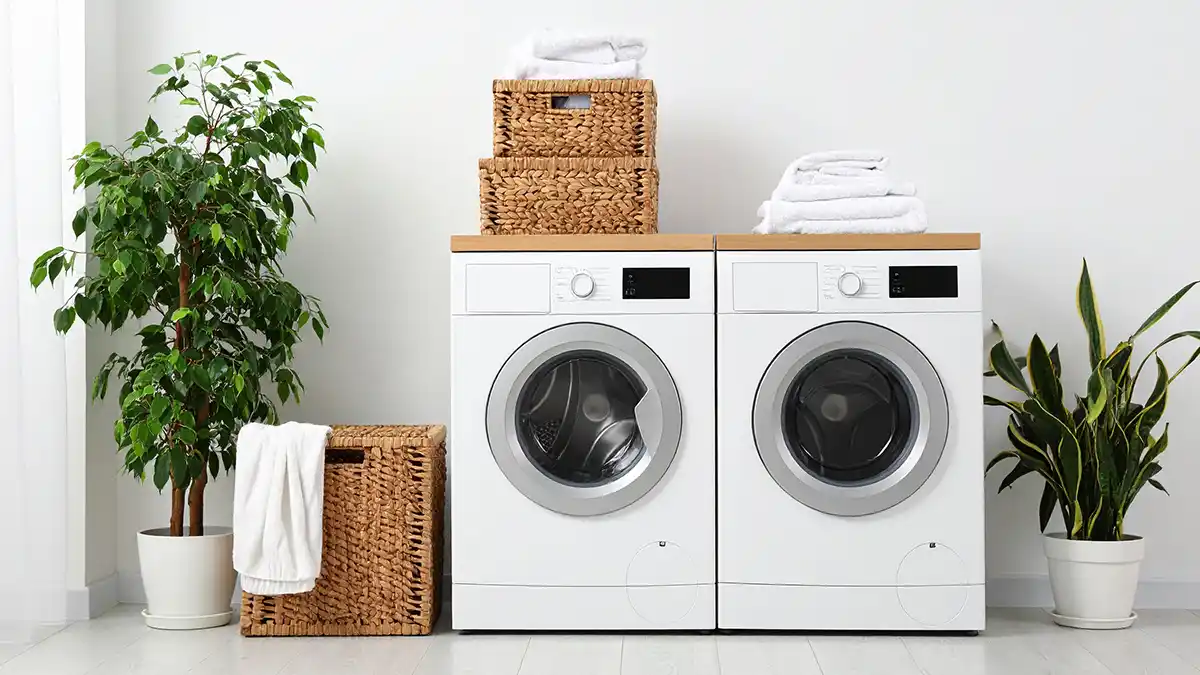
Here’s a quick overview of the pros and cons of modern washing machines:
|
Pros |
Cons |
|
Saves time and effort |
Huge initial investment |
|
More energy- and water-efficient than manual washing |
Ongoing electricity and water expenses |
|
Soft on fabrics; extends fabric life |
Maintenance and potential repair costs |
|
Easily removes tough stains |
Requires space and suitable installation |
|
Hygienic washes that help remove germs and allergens |
Certain delicate fabrics still have to be washed by hand |
|
Various wash modes for different laundry needs |
Could require specific detergents (slightly more expensive) |
|
Adds value to daily routine and family health |
Depreciates over time; resale value is limited |
Types of Modern Washing Machines
Following are the main categories of modern washing machines in 2025:
|
Type |
Key Features |
Ideal For |
|
Top Load |
Single tub for washing and drying, easy to load from the top, efficient water usage |
Families wanting convenience and faster wash cycles |
|
Front Load |
Advanced wash programs, energy-efficient, gentle on fabrics, lower water consumption |
Urban users who prefer premium and fabric-friendly washing |
|
Semi-Automatic |
Separate tubs for wash and spin, manual water filling, and low power usage |
Budget-friendly buyers or areas with irregular water supply |
|
Fully Automatic |
Single-tub operation, automatic water intake, multiple modes for different fabrics |
Mid to large households wanting a hands-free experience |
|
Inverter |
Adjusts motor speed as per load, saves energy, reduces noise and wear |
Eco-conscious users seeking efficiency and durability |
Assessing the Initial Investment
When purchasing a washing machine in India, the type and automation level greatly influence the cost. Here’s a breakdown of price ranges in 2025:
|
Type of Washing Machine |
Price Range (₹) |
Common Features |
|
Semi-Automatic |
8,000 - 16,000 |
Basic functions, manual water input, and energy-efficient |
|
Fully Automatic (Top Load) |
14,000 - 25,000 |
Single-tub operation, automatic water control, easy to use |
|
Fully Automatic (Front Load) |
20,000 - 80,000 |
Advanced wash cycles, inverter motors, WiFi/app control |
Factors to Consider Before Buying:
- Brand Reputation: Established brands often ensure better build quality and after-sales service.
- Capacity: 5.5 kg to over 10 kg; larger capacities suit bigger families.
- Motor Type: Inverter motors improve efficiency and reduce electricity consumption.
- Special Wash Cycles: Features for delicate, quick, or allergen-free washing can affect pricing.
- Smart Connectivity: WiFi and app integration add convenience but increase cost.
- Material Quality: Stainless steel drums last longer but cost more.
- Additional Expenses: Installation (₹500-₹1,000), accessories like hoses or stands (₹800-₹2,000), and extended warranties or maintenance contracts also add to the overall investment.
Day-to-Day Expenses: Analysing Running Costs
Understanding regular running costs is essential before investing in a washing machine. These monthly expenses add to the appliance’s overall lifetime cost.
|
Expense Type |
Details |
Estimated Cost (₹) |
|
Electricity |
0.3-2 units per wash, 4-5 medium loads per week |
150-400/month |
|
Water |
70-130L per wash (top load), 50-80L (front load) |
100-300/month |
|
Detergents & Consumables |
High-efficiency or front-load detergents (monthly costs), water softeners or descaling agents (quarterly costs) |
250-500/month + 100-200/quarter |
|
Servicing & Maintenance |
Regular servicing costs and repair parts |
500-3,000/visit; 2,000-15,000/repairs |
|
Other Hidden Costs |
Voltage stabiliser, minor annual repairs |
1,500-3,000 (one-time); 400-1,500/year |
Long-Term Value in Indian Households
Looking at modern washing machines from a long-term perspective shows value that goes beyond initial costs.
- Lifespan & Depreciation: Front load or automatic machines last 7-10 years with proper maintenance. Semi-automatic models may need repairs sooner. Though resale value is low, long-term use offsets depreciation.
- Time & Effort Savings: Automatic washing can save up to 300 hours a year, reducing both physical effort and household workload.
- Health & Hygiene: Steam and allergen-removal features ensure cleaner clothes, important for families with children or elderly members.
- Cost vs Laundry Services: Regularly outsourced laundry (₹1,500-₹3,000/month) costs far more long-term.
- Intangible Value: Adds comfort, reliability, and convenience to daily routines, benefits that extend beyond financial calculations.
Modern Washing Machine Models 2025: A Comparative Table
Here are some of the top washing machine models in 2025:
|
Brand & Model |
Capacity |
Key Features |
Typical Price |
|
LG 7 kg 5 Star Semi‑Automatic Top Load |
7 kg |
Budget-friendly, trusted brand service |
₹11,990 |
|
Samsung 7 kg 5 Star Fully‑Automatic Top Load |
7 kg |
Many wash programmes, user-friendly |
₹17,490 |
|
Whirlpool 8 kg 5 Star Fully‑Automatic Front Load (XO8014BYS) |
8 kg |
Strong stain removal, faster drying |
₹44,900 |
|
Whirlpool XS8014BWME 8 kg 5 Star Inverter Front Load |
8 kg+ |
Inverter motor, premium features |
₹38,540 |
|
Voltas Beko 7 kg 5 Star Fully‑Automatic Top Load |
7 kg |
Unique double waterfall, wing-pulsator |
₹31,990 |
Financing Your Washing Machine Purchase Made Simple
Buying a modern washing machine doesn’t need to strain your monthly budget. With Consumer Durable Loans and easy EMI options available from Poonawalla Fincorp, you can own a premium washing machine today and pay later in easy instalments.
How to Apply for a Consumer Durable Loan
Here are the simple steps to apply for a Consumer Durable Loan:
- Visit your nearest electronics or appliance store and choose your preferred model.
- Ask for the Consumer Durable Loan option at checkout.
- Provide your basic documents such as PAN, Aadhaar, income proof, and bank details.
- Get instant approval and complete the quick digital process.
- Take your new washing machine home the same day and pay in easy EMIs.
To Conclude
Evaluating the pros and cons of modern washing machines makes it clear that while the initial cost and maintenance are important, the convenience, hygiene, and long-term savings make these appliances a wise investment.
If you’re planning to buy or upgrade your washing machine, you can also consider a Personal Loan from Poonawalla Fincorp as an alternate financing option.
FAQs
What are the main pros and cons of a modern washing machine?
Time savings, improved cleaning, enhanced hygiene, and better fabric care are some of the major benefits. The cons are high initial investment, continuous electricity and water bills, space requirement, and infrequent repairs.
How much does a washing machine increase your monthly electricity bill?
The monthly increase in the electricity bill of a medium-sized family, depending on the model and usage, can be anywhere from ₹150 to ₹400.
How long do modern washing machines typically last?
Generally, modern washing machines from renowned manufacturers are expected to have a lifespan of 7-10 years, provided they are serviced regularly and used properly.
We take utmost care to provide information based on internal data and reliable sources. However, this article and associated web pages provide generic information for reference purposes only. Readers must make an informed decision by reviewing the products offered and the terms and conditions. Loan disbursal is at the sole discretion of Poonawalla Fincorp.
*Terms and Conditions apply