A better CIBIL Score may help reduce your EMI if it contributes to a favourable reassessment of your credit risk on an eligible external benchmark-linked bank loan.
Under RBI’s current spread rules, the Credit Risk Premium can change when the borrower’s credit assessment undergoes a substantial change, subject to the loan agreement. A lower Credit Risk Premium can reduce the final lending rate and potentially lower the EMI.
This blog explains how the benefit works, when it may apply, and what borrowers can do if their credit profile has improved.
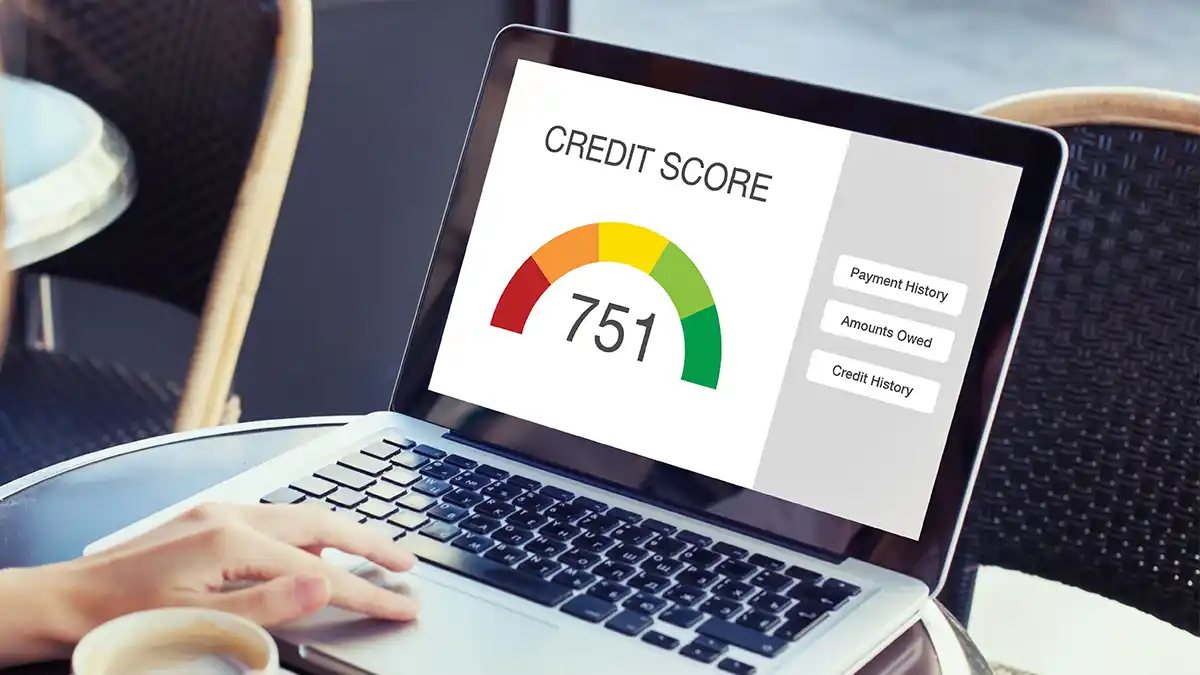
How Can a Better CIBIL Score Help Reduce Your EMI?
A better CIBIL score may support a stronger credit assessment when your bank reviews the risk associated with your loan. The potential EMI benefit works in two stages:
A Better CIBIL Score Can Lower Your Credit Risk Premium
Under current RBI loan spread rules, banks link floating retail loans to external benchmarks, where the Credit Risk Premium determines individual interest rates. For an external benchmark-linked floating-rate loan, the applicable lending rate broadly consists of:
Loan Interest Rate = External Benchmark + Spread
RBI’s current directions, as covered by Taxguru, require banks to determine floating lending rates by adding applicable spread components to the reference benchmark.
The spread can include a Credit Risk Premium (CRP) associated with the borrower’s credit risk. Under the RBI (Commercial Banks – Interest Rates on Advances) Directions, 2025, the CRP may change when the borrower’s credit assessment undergoes a substantial change. This is subject to what is agreed upon in the loan contract.
Therefore, an improved CIBIL score may contribute to a stronger overall credit assessment, which could support a lower CRP.
A Lower Credit Risk Premium Can Reduce Your EMI
A lower Credit Risk Premium can reduce your overall interest rate if the external benchmark and other pricing components remain unchanged. The lower rate reduces the interest charged on the outstanding principal. If the remaining tenure stays unchanged and the loan is recalculated, this can translate into a lower EMI.
Consider this illustrative example:
| Particulars | Before CRP Reduction | After CRP Reduction |
|---|---|---|
| Outstanding loan amount | ₹20 Lakh | ₹20 Lakh |
| Remaining tenure | 10 years | 10 years |
| Applicable interest rate | 10.00% p.a. | 9.50% p.a. |
| Approximate EMI | ₹26,430 | ₹25,880 |
| Approximate monthly saving | — | ₹550 |
The example assumes a 0.50 percentage-point reduction in the final interest rate, with the outstanding amount and remaining tenure unchanged. Actual EMI savings will depend on the outstanding principal, remaining tenure, rate reduction, repayment structure, and the bank’s loan terms.
Does a Higher CIBIL Score Guarantee a Lower EMI?
No, improving your CIBIL score does not guarantee a lower Credit Risk Premium, interest rate, or EMI.
The 2025 Directions do not specify a particular CIBIL score or score increase that triggers lower pricing. Instead, they refer to a “substantial change” in the borrower’s credit assessment, as agreed in the loan contract.
As Bhavesh Jain, MD and CEO of TransUnion CIBIL, explained to The Economic Times, “credit score is just one variable in the credit underwriting.” Lenders may also consider income, expenses, employment, and previous credit performance.
When Can a Better Credit Profile Help Lower Your EMI?
A stronger credit profile can help only when the loan and borrower meet the conditions required for a favourable Credit Risk Premium reassessment. Key conditions include:
- Eligible External Benchmark-Linked Loan: The loan must fall under the applicable external benchmark framework.
- Substantial Change in Credit Assessment: The bank must consider the improvement significant enough to constitute a substantial change in the borrower’s credit assessment.
- Applicable Loan Agreement: The loan contract must provide for changes to the Credit Risk Premium based on credit assessment.
- Favourable Bank Assessment: The bank must decide that the updated risk assessment supports a lower CRP.
- Applicable Repayment Structure: A lower lending rate must translate into a lower EMI under the loan’s repayment structure.
Under the 2025 Directions, floating-rate personal and retail loans, along with floating-rate MSME loans extended by covered commercial banks, are benchmarked to an external benchmark.
This rule should not be generalised to every loan or lender. The cited directions apply specifically to commercial banks covered by that RBI framework.
How Can You Request a Credit Risk Premium Review?
If your credit profile has improved considerably, you can check your loan agreement and ask your bank whether its policy allows your Credit Risk Premium to be reassessed as per RBI loan spread rules. Consider these steps:
- Review Your Loan Agreement: Check how the spread and Credit Risk Premium are defined and when they can be changed.
- Check Your Current CIBIL Report: Review your score, repayment record, outstanding accounts, utilisation, and other reported information.
- Identify Material Improvements: Look for improvements such as stronger repayment history, lower outstanding debt, or a healthier overall credit profile.
- Ask About Reassessment: Contact your bank to understand whether your improved credit profile can be reviewed under its policy and your loan agreement.
- Ask for the Revised Loan Details: If the bank reduces the CRP, request the revised interest rate, EMI, and repayment schedule.
The bank ultimately determines whether the change in your credit assessment is substantial enough to revise the CRP.
To Conclude
A better CIBIL Score can potentially help reduce your EMI, but the benefit depends on more than the score alone. For eligible external benchmark-linked bank loans, RBI’s spread rules allow the Credit Risk Premium to change when the borrower’s credit assessment undergoes a substantial change. The loan agreement must also permit such reassessment.
If the bank conducts a favourable review and reduces the CRP, the overall lending rate may fall. If the remaining repayment structure is unchanged, this can result in a lower EMI.
Frequently Asked Questions
Does 1 EMI bounce affect CIBIL Score?
Yes, one EMI bounce may affect your CIBIL Score if it results in a missed or delayed repayment being reported by the lender. The impact depends on factors such as the lender’s reporting, repayment history, and the overall credit profile.
How to rebuild CIBIL Score?
You can rebuild your CIBIL Score by maintaining timely repayments, reducing credit utilisation, avoiding frequent credit applications, and reviewing your credit report regularly. Consistent responsible credit behaviour over time can help strengthen your credit profile.
Can a better CIBIL Score reduce my existing loan EMI?
Yes, if the bank determines that your credit assessment has changed substantially in a favourable way and reduces the applicable CRP, your interest rate may fall. If the outstanding amount and remaining tenure are unchanged, this can reduce your EMI.
We take utmost care to provide information based on internal data and reliable sources. However, this article and associated web pages provide generic information for reference purposes only. Readers must make an informed decision by reviewing the products offered and the terms and conditions. Loan disbursal is at the sole discretion of Poonawalla Fincorp.
*Terms and Conditions apply