Spring arrives with more than just blossoms and warmer days. For Bengalis, it brings Pohela Boishakh, the Bengali New Year, a festival that beautifully blends tradition, culture, and the promise of new beginnings.
The first day of the Bengali calendar month, Pohela Boishakh, also calls for joyous celebrations. Whether you’re in Kolkata’s bustling streets or a quiet town in West Bengal, this day pulses with life, colour, and fervour. For Bengalis, Pohela Boishakh is more than just a date on the calendar. It’s a cherished expression of identity, community, and hope.
A Glimpse Into the History of Pohela Boishakh
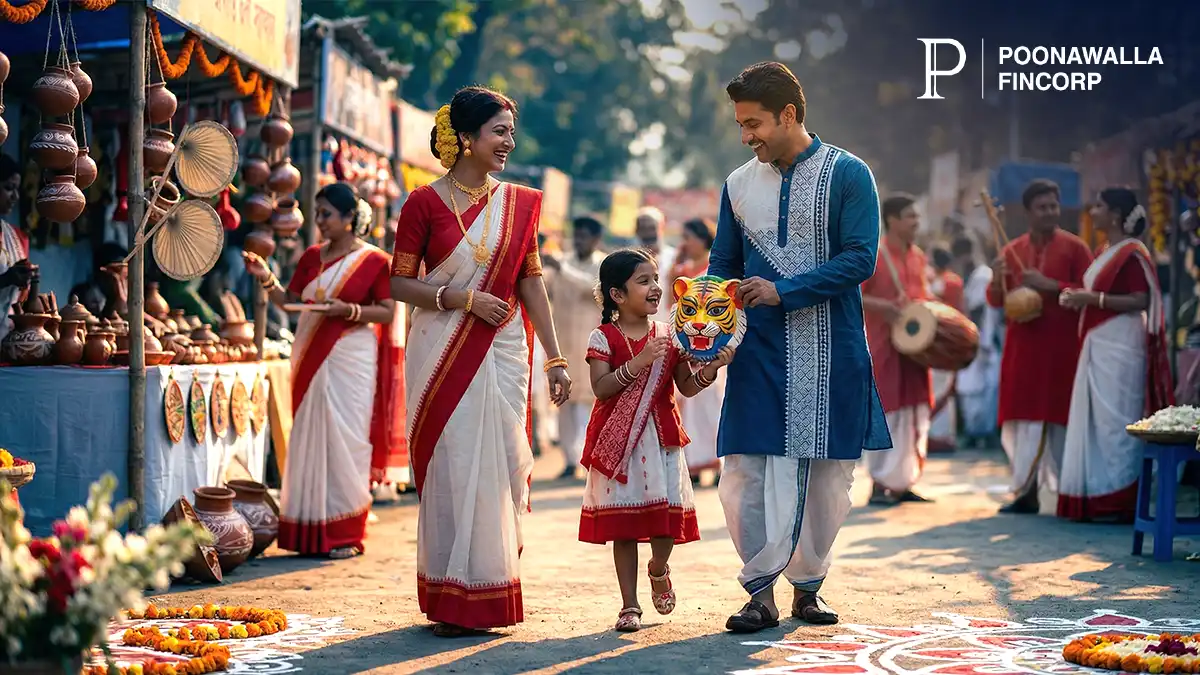
Pohela Boishakh falls on the first day of Boishakh, the first month of the Bengali calendar, typically around 14th or 15th April. While its origins are debated, many historians link it to Mughal Emperor Akbar’s reign in the 16th century. Over time, it has become a cultural marker, celebrated not just by traders and farmers but by entire communities.
Today, the Bengali New Year transcends its agrarian roots. It’s a celebration of art, music, food, and resilience, a day when Bengalis reconnect with their heritage, regardless of where they live.
The Spirit of Celebration: Traditions and Customs
Pohela Boishakh is an experience filled with time-honoured rituals and joyful activities that begin at the crack of dawn. The schedule usually includes the following:
Probhat Pheri (Morning Processions):
The day traditionally starts early with ‘Probhat Pheris’ or morning processions. People, dressed in traditional attire, often walk through the streets singing. These processions are a colourful spectacle of music, dance, and communal harmony.
Welcoming the New
A core tradition is to clean the house and decorate it with ‘alpona’ - intricate patterns made with rice flour paste. This is believed to welcome Lakshmi, the Goddess of wealth and prosperity, into the home. Wearing new clothes, or ‘Notun Jama’, also symbolises a fresh start for the year ahead.
The Feast of Flavours
Like any major Indian festival, food plays a central role in Pohela Boishakh, too. Friends and family gather to enjoy a grand feast featuring an array of traditional Bengali delicacies. Some of the classic dishes served during this auspicious Bengali Festival include ‘Panta Bhat’ (fermented rice), fried ‘Ilish Maach’ (Hilsa fish), and various ‘bhartas’ (mashed vegetables), followed by an assortment of sweets like ‘Rosogolla’ and ‘Sandesh’.
Haal Khata
For traders and the business community, Pohela Boishakh is a particularly significant day. In the ‘Haal Khata’ ceremony, they close their old accounting ledgers and open new ones. Customers are invited to the shops, offered sweets, and encouraged to start the new year on a fresh financial slate. This tradition underscores the festival’s core theme of renewal and prosperity.
Boishakhi Mela
The celebrations spill out into vibrant fairs through the ‘Boishakhi Melas’, organised across towns. These fairs are a treasure trove of Bengali culture, featuring folk music performances, traditional dances, handicrafts, toys, and local delicacies.
Also Read: Celebrate Big, Spend Smart: Festive Loans That Fit Your Life
Places in Bengal to Enjoy Pohela Boishakh
While the spirit of the Bengali New Year is felt across India and beyond, West Bengal is undoubtedly the epicentre of the celebrations. If you wish to immerse yourself in the authentic festive atmosphere, here are a few places to consider:
Kolkata
The ‘City of Joy’, Kolkata, lives up to its name during Pohela Boishakh. From the cultural programmes at Nandan and Rabindra Sadan to the lively crowds in College Street and the morning processions in Jadavpur, the entire city is adorned in festive colours during the first day of the calendar year.
Santiniketan
For a more traditional and culturally rich experience, Santiniketan, the home of Visva-Bharati University, founded by Rabindranath Tagore, offers a uniquely serene and artistic slice of the celebration. The festivities here are deeply rooted in Tagore’s vision of nature and culture co-existing.
Howrah and Hooghly Districts
Towns like Chandannagar and Serampore celebrate with riverside fairs, processions, and community gatherings. These smaller towns offer a more intimate, traditional experience away from the urban hustle.
Siliguri and North Bengal
In North Bengal, Pohela Boishakh brings together diverse communities. Cultural programmes, food festivals, and processions reflect the region’s unique blend of Bengali and other local cultures.
Also Read: How to Invest In Gold? Latest Gold Investment Tips for Beginners In 2026
To Conclude
While celebrating new beginnings, it is also a good idea to set financial goals for the year ahead. If you have been planning to renovate your home, fund your child’s higher education, or organise that dream wedding in the family, perhaps this might be the year to make them come true.
At Poonawalla Fincorp, we understand the importance of these milestones. Our range of financial solutions, including our hassle-free Personal Loan and Business Loan, is designed to support your ambitions. With a simple application process, competitive interest rates, and flexible repayment options, help turn your New Year’s resolutions into reality.
FAQs
What is Pohela Boishakh?
Pohela Boishakh marks the first day of the Bengali calendar, and is celebrated as the Bengali New Year. It symbolises renewal, prosperity, and cultural unity, observed with great enthusiasm by the Bengali communities across India and beyond.
When is Pohela Boishakh celebrated in India?
It typically falls on 14th April or 15th April in India, aligning with the spring harvest and the start of the Bengali month of Boishakh.
What are the traditional foods for Pohela Boishakh?
Some of the popular traditional dishes include fermented rice (Panta Bhat) with Hilsa fish (Ilish), mashed vegetables (bhartas), and sweets like Rosogolla and Sandesh. These feasts highlight Bengali culinary heritage during family gatherings.
What is the Haal Khata tradition?
Shopkeepers and traders close old account books and open new ones in the Haal Khata tradition, offer sweets to customers, and encourage fresh final slates for the new year.
We take utmost care to provide information based on internal data and reliable sources. However, this article and associated web pages provide generic information for reference purposes only. Readers must make an informed decision by reviewing the products offered and the terms and conditions. Loan disbursal is at the sole discretion of Poonawalla Fincorp.
*Terms and Conditions apply