Whether the gold is old or new, gold purity matters and will always play an important role when buying, selling, or investing in it. But before offering a Gold Loan, banks and other lending institutions use various methods to assess the purity of the gold. In this blog, let's explore the types of methods lenders use to check your gold purity.
Why Does Gold Purity Matter?
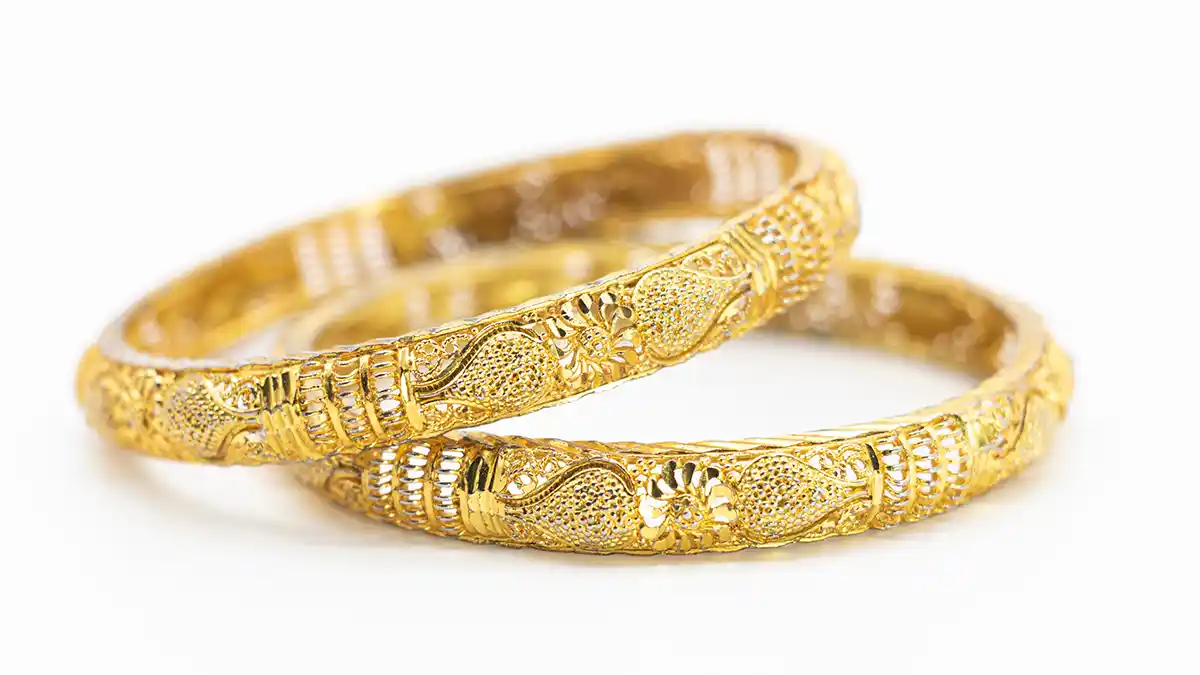
Understanding gold purity, fineness, and the measurement of karats in terms of gold purity, i.e., karat gold, carat gold, or gold karat, will assist you in making better choices when buying gold. Here are the reasons why gold purity matters:
-
Fair Value: Higher gold purity = higher intrinsic worth; prevents overpaying for low-quality gold.
-
Durability: Lower purity (more alloys) makes jewellery stronger for daily wear; higher purity is softer.
-
Skin Sensitivity: Gold alloys can trigger allergies; purer gold reduces irritation.
-
Investment: Gold purity directly affects resale value and ensures long-term reliability
Common Methods Used to Test Gold Purity
Banks and financial institutions use reliable techniques to test the purity of gold, providing accurate valuations for jewellers and other gold items.
BIS Hallmark Verification
One-way banks and Gold Loan companies verify the purity of gold through the BIS Hallmark Verification. According to the Bureau of Indian Standards (BIS), a hallmark assures that the item meets the acceptable standards of purity.
-
The stamp includes information about the jeweller, the jewellery's purity (e.g., 22K916, 18K750), and the Hallmarking centre (HMC) identification number where the hallmark was applied.
-
A bank or NBFC will first assess the hallmark verification of jewellery to determine an initial benchmark for purity.
-
Hallmarking also promotes the customer's trust in the jewellery's purity prior to further evaluation.
X-Ray Fluorescence (XRF) Testing
Gold Loan companies and banks also use XRF testing technology to determine gold purity with high accuracy.
-
The testing process allows banks to evaluate gold purity without damaging or melting the precious metal.
-
XRF testing results can be produced in just a few seconds.
-
It detects all the metals in the item.
-
The XRF testing also confirms the purity percentage of the gold and the total weight of the metal being tested.
Due to reliability, transparency, and speed of the XRF testing process, it provides reliable results and has become the preferred testing method amongst lenders (Banks and NBFCs).
Acid Test (Nitric Acid Test)
The acid test is an old-fashioned method used to determine whether a piece of gold jewellery is "pure" or contains "base" metals. You scratch the top surface of a piece of gold and add a small amount of nitric acid. Based on its reaction, you can tell whether it contains only pure gold or is mixed with other metals. Although this method is a quick way to check gold purity, it leaves a visible scar on the surface.
Electronic Gold Testing Machine
The electronic gold testing machine works by measuring how well gold items conduct electricity. Pure gold conducts electricity in a way that is entirely different from alloys. The electronic tester device has "sensors" mounted inside to measure the amount of gold present and provide digital results.
This is a fast way to check purity, as it does not require any chemicals or abrasion. Most jewellers use electronic testers to check the purity of gold. They frequently use this type of tester for everyday gold jewellery, gold coins, and rings.
Fire Assay Test
Fire Assay is another way of determining gold's purity. It is a highly accurate method for determining the purity of a gold sample, as defined by the London Bullion Market Association. The Fire Assay method melts a small amount of gold, extracts the pure gold from other metals in the sample, and then measures its purity.
Because it involves destroying the sample, it is typically used only by certified laboratories and refiners. In cases where absolute purity is required, some Gold Loan lenders may accept fire assay certificates for high-value gold transactions.
How Banks and NBFCs Verify Purity Before Approving Loans
Understanding how lenders check gold purity can help borrowers secure a higher loan amount and make informed decisions. Lenders use the same standardised processes to ensure that gold is pure. Based on the weight and purity, lenders determine the loan amount.
Evaluating Gold Jewellery or Gold Coins
The lender will assess all submitted gold jewellery and coins before lending. Rings, necklaces, bracelets, earrings, and coins will be individually tested and evaluated to determine their weight, purity, and condition.
BIS Hallmark Verification and Legal Minimum Fineness Standards
Lenders check the BIS Hallmark during testing, which indicates the purity (Karat) and fineness of the gold. BIS Certification ensures that gold meets the legal minimum purity requirements. Non-BIS Hallmarked gold will still be accepted, but these items will require further testing to verify their content.
Assessing the Proportion of Gold Versus Other Metals Used for Durability
The test will evaluate how much of the metal used to create the jewellery is actually gold. A small proportion of the metal will likely not be gold. Therefore, this test will determine the exact proportion of each material used to produce the item.
Calculating the Loan Amount based on Purity, Weight, and the Current Gold Rate
Understanding gold purity is important, and lenders now consider the item's weight and the market price of gold. The higher the gold purity, the higher the loan amount borrowers can avail. The lender will use the Loan-to-Value ratio to determine the final loan amount the borrower may receive.
Determining Valuation Before Finalising Loan Terms and Disbursal
Once the lender finishes checking your gold, they will explain how the loan can be used and share the results with you. You’ll receive a copy of the purity certificate, along with the interest rate and loan terms, before the loan is approved and disbursed.
Factors that Affect Gold Purity
Here are all the factors that affect the purity of the gold:
Presence of Other Metals like Nickel or Copper
Most everyday jewellery items do not contain pure gold. Pure gold (24K) is too soft for everyday wear, so most jewellery today uses either 22K gold or 18K gold. These jewellery pieces contain alloy metals that provide added strength and stability. They will influence the overall purity testing and pricing of gold.
Jewellery Designs With Stones and Intricate Patterns
Jewellery pieces with stones and intricate designs will reduce the value of your gold. It is necessary to estimate all fillers during testing. This allows you to obtain an accurate assessment of gold's value.
Wear-and-Tear from Daily Wear Alters Surface Quality
Most pieces of gold jewellery that are worn every day may lose some of their surface purity due to sweat and friction. Surface markings from both factors can affect the results of a purity assessment using an acid and density test.
Read Also: Understanding Hallmarked Gold: Meaning, Importance, and How to Check It
To Conclude
Banks and Gold Loan companies have standardised testing procedures to carry out accurate valuations and loan amount calculations. Gold purity check verifies the amount of pure gold in your item. Based on the purity and weight, the lender decides the loan amount.
At Poonawalla Fincorp, we allow you to unlock the value of your gold by offering an affordable Gold Loan. Besides low interest rates and flexible repayment tenure, another benefit is that you can use the loan for all your financial needs. Apply for a Gold Loan now and get up to ₹50 lakh.
FAQs
Can gold purity testing damage jewellery?
No. The non-destructive testing methods, electronic/electromagnetic sensing (XRF) and electronic testing, do not damage the gold jewellery.
Which gold purity testing method is most accurate?
XRF (X-ray Fluorescence) testing provides precise results and a highly accurate indication of the gold's purity.
Which is better, 99.9 or 916 gold?
24K Gold (99.9%) is more desirable for investment purposes due to its higher gold content. The 916 Gold (22K) provides greater durability and strength. Thus, 22K Gold is more desirable for jewellery.
How does gold purity affect Gold Loan value?
The higher the purity of the gold, the higher its loan value will be; thus, the purer the gold, the more gold there is in it.
Do banks accept jewellery without a hallmark?
Yes, however, these jewellery pieces will need to undergo full purity testing before they can be valued or approved for a Gold Loan.
We take utmost care to provide information based on internal data and reliable sources. However, this article and associated web pages provide generic information for reference purposes only. Readers must make an informed decision by reviewing the products offered and the terms and conditions. Loan disbursal is at the sole discretion of Poonawalla Fincorp.
*Terms and Conditions apply