The best budgeting strategy after taking a small loan is the one that ensures your EMI payments align with your finances. The key lies in balancing your loan obligations with other expenses. This blog walks you through practical budgeting tips to help you create a budgeting strategy after taking a small loan, ensuring you smoothly manage your repayment alongside other financial commitments.
Practise EMI-first budgeting
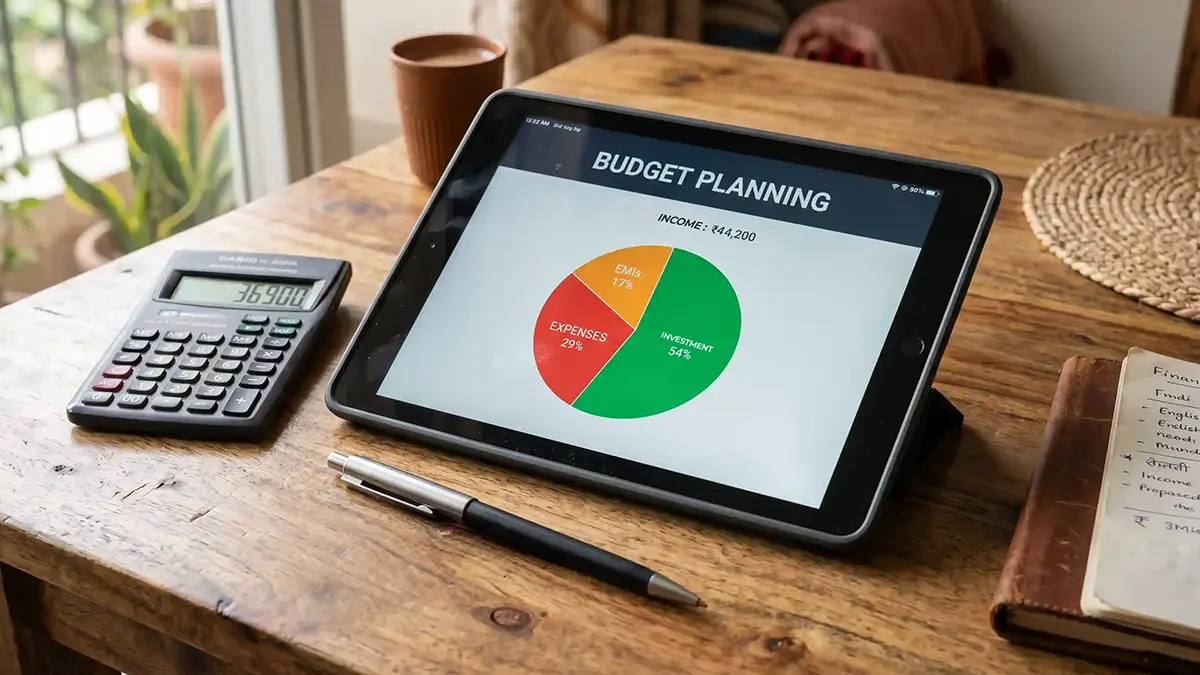
EMI-first budgeting means prioritising your loan repayment before allocating money to any other expense. When you take a small loan, your EMI becomes a fixed financial obligation. By setting aside funds for it first, you ensure that repayment is not dependent on leftover money at the end of the month. It also facilitates:
- Credit score protection: Timely EMI payments help maintain a strong repayment history, which improves your credit profile.
- Spending control: Allocating funds for the EMI first reduces available disposable income, thereby limiting unnecessary or impulsive spending.
Automate Your Loan Repayments
A safe and certain way of not missing payments due to human error is by automating your loan repayments. This means setting up a system where your EMI is deducted automatically from your bank account, on or before the due date. This strategy involves:
- Auto-debit setup: Enable National Automated Clearing House (NACH) mandates so the EMIs are deducted automatically, reducing the risk of missed payments.
- Salary alignment: Set EMI dates close to salary credit to ensure your account has funds and there is no hindrance in the repayment.
Use Weekly Expense Caps Instead Of Monthly Tracking
Instead of reviewing expenses at the end of the month, divide your budget into smaller weekly limits to monitor and control spending more effectively. This enables:
- Real-time spending control: Set weekly limits for essentials and discretionary spending so that overspending is caught early, instead of letting it accumulate unnoticed over the month.
- Better EMI protection: Structure weekly caps after accounting for EMI, which
- Improved financial discipline: Following smaller budgeting cycles creates more frequent financial checkpoints, making it easier to adjust habits quickly.
Maintain an Emergency Buffer
An emergency buffer is a small amount of savings kept aside to handle unexpected expenses during your loan repayment period. Setting aside funds for a couple of EMIs in advance ensures repayment continues smoothly even if your income is delayed or disrupted sometimes.
Plus, keeping this money in a different account reduces the chances of accidental spending. Using this buffer for genuine emergencies also helps maintain repayment stability.
Avoid Having Multiple Debt Sources
Adding new debt obligations during the repayment period of your small loan, or managing multiple repayment commitments simultaneously, can increase financial pressure and disrupt monthly budgeting. Having multiple sources of debt can lead to:
- High-interest burden: Certain forms of short-term borrowing may carry higher interest rates, which can increase your overall repayment cost over time.
- Financial strain: Taking on debt from multiple sources simultaneously can make monthly cash flow harder to manage and reduce financial flexibility. Limiting your active debt sources also makes it easier to track due dates, repayment schedules, and overall financial commitments.
- Impact on credit profile: Applying for multiple loans within a short time can affect your credit profile and future loan approvals.
Conduct a Subscription Cleanup
Review and remove unnecessary subscriptions to keep your monthly expenses low, and EMI repayment unaffected. This provides:
- Cost leak prevention: Cancel unused or low-value subscriptions, such as duplicate OTT plans, unused apps, or premium services, as small recurring charges can quietly increase your monthly financial burden.
- EMI budget protection: Reducing non-essential fixed payments ensures that your EMI has sufficient room in your monthly budget without forcing you to cut essential expenses later.
- Improved cash flow flexibility: Lesser fixed financial commitments make it easier to manage unexpected expenses during the loan repayment period.
Use Windfalls for Repayment Support
Using windfalls means directing any unexpected or one-time income, such as bonuses, tax refunds, or incentives, toward loan repayment or financial strengthening instead of routine spending. Some of its potential uses include:
- Partial prepayment: Using windfall income to repay part of the loan reduces the outstanding principal amount and can lower total interest cost over time.
- Savings strengthening: Allocating windfalls to savings improves your financial buffer and helps you manage repayment months more comfortably.
- Faster closure potential: Using windfalls strategically can reduce the total loan tenure without increasing your monthly EMI burden.
To Conclude
Managing a small loan effectively depends on how consistently you control your monthly cash flow and prioritise repayments. By following structured budgeting strategies, you can keep your finances stable and predictable throughout the repayment period.
If you’re looking to pair these strategies with responsible borrowing, consider taking a Small Personal Loan from Poonawalla Fincorp with flexible repayment tenures, competitive interest rates, and no hidden charges.
FAQs
How much of my income should go towards the EMIs of a small loan?
It is generally recommended that your total EMIs for all debt, including a small loan, should stay within 30-40% of your monthly income.
Can missing a small loan EMI affect future loan approval?
Yes, a missed EMI can negatively impact your credit score, which in turn may reduce your chances of approval for future loans.
Is it better to reduce expenses or increase income after taking a small loan?
While both approaches help, reducing unnecessary expenses may provide faster stability in the short term, while increasing your income is generally better for long-term repayment flexibility and savings growth.
Can I prepay a small loan to save on interest?
Yes, you can usually prepay a Small Loan to reduce your overall interest cost. However, some lenders may charge prepayment or foreclosure fees, especially in the early stages of the loan, so it is important to check your loan agreement before proceeding.
We take utmost care to provide information based on internal data and reliable sources. However, this article and associated web pages provide generic information for reference purposes only. Readers must make an informed decision by reviewing the products offered and the terms and conditions. Loan disbursal is at the sole discretion of Poonawalla Fincorp.
*Terms and Conditions apply