Monthly payments have become the default way to spend. From streaming platforms to fitness apps, small recurring charges feel easy to absorb. This has also shifted how people view large financial commitments, such as repaying a Personal Loan.
Personal Loan EMIs were once considered long-term obligations, but now, they are often accessed through the same “manageable per month” lens. With the growing trend of subscription culture, this way of thinking makes EMIs easy to handle. However, this perception is only true until multiple EMIs start stacking up and a significant portion of your monthly income is locked in.
So, where should you draw the line, and at what point does a manageable EMI turn into overcommitment? Let’s understand with this blog.
How Subscription Culture Has Changed the Perception Towards Personal Loan EMIs?
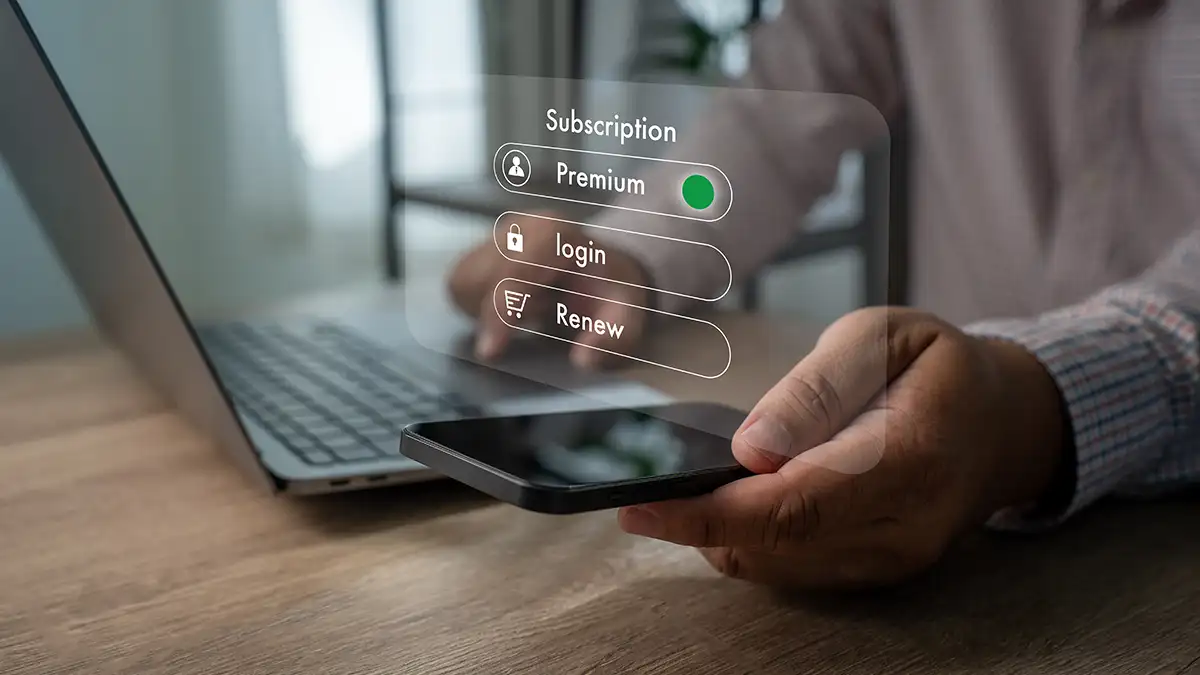
Subscription culture has normalised one key behaviour: saying yes to small, recurring payments without evaluating long-term impact. Whether it is streaming platforms, digital services, or cloud storage, ₹199 - ₹699 monthly payments feel flexible, low-risk, and easy to manage as they are spread out monthly.
This mindset has changed how people perceive personal loans. With a Personal Loan repayment broken into smaller monthly EMIs over a fixed tenure, borrowers often focus on the immediate affordability of each instalment rather than the total financial commitment.
For example, in a hypothetical situation, borrowers can get a Personal Loan of ₹1,00,000 with an EMI of ₹3,000 per month with a repayment tenure of 30-40 months. This makes the loan repayments appear easier to fit into a monthly budget, creating a sense of comfort and control.
How Banks, NBFCs, and Modern FinTech Platforms Have Made it Easier to Get Personal Loans?
Personal loans are often a go-to funding source whenever someone falls short of instant funds. NBFCs, or Non-Banking Financial Companies, and fintech platforms have revolutionised personal borrowing as they make getting access to funds easier, even for those who don’t fit within the rigid bank model.
With quicker approvals, flexible terms, and a digital-first process, eligible borrowers can get a Personal Loan for almost anything, such as home renovations, medical emergencies, weddings, and big-ticket electronics or appliance purchases.
Here’s how NBFCs and modern fintech platforms make it easier to get a Personal Loan:
- Seamless digital process
NBFCs and fintech platforms use fully digital application flows with minimal documentation. Banks are often strict about qualification and the application process, but NBFCs are quite liberal and speedy as they rely on alternative data, like employment history and income stability, rather than credit scores. They offer faster loans at slightly higher rates compared to traditional banks, which compensates for the increased risks.
- Quick disbursal
Time is an important factor when it comes to finding a solution to a financial problem, and this is where NBFCs shine the most. They offer instant personal loans where the loan application is processed, and funds are disbursed within 24-72 hours.
- Flexible terms and conditions
NBFCs and fintech platforms generally offer more flexibility in terms of Personal Loan repayment tenure and EMI amounts. Borrowers can choose longer tenures, which lowers the monthly EMI outflow. This improves perceived affordability, even if the total cost of borrowing increases.
- Pre-approved and instant loan offers
With data-driven underwriting, banks and NBFCs extend pre-approved loan limits to the user. This reduces evaluation efforts for users and accelerates decision-making.
- Hassle-free application process
The process to apply for a Personal Loan is completely digital, which makes it easy and accessible. People have become fluent in the language of digital convenience, and as they swipe, tap, and scan through fintech apps, it becomes easy to apply for loans and get the funds in their bank account.
Subscription and Personal EMIs are Not the Same
The ease of borrowing makes it appear similar to opting for a subscription, but the two are fundamentally different. Subscriptions are optional expenses that can be paused or cancelled with minimal impact. On the other hand, Personal Loan EMIs are fixed financial obligations that must be paid until the loan is fully repaid.
While both involve recurring monthly payments, Personal Loan EMIs directly affect your financial commitments over a longer period. The annual percentage rate (APR) significantly increases the total repayment over time. Missing even one EMI can lead to penalties, additional interest charges, and recovery actions.
Financial Risks of Easy Personal Loan EMIs
Debt accumulation rarely begins with large, secured borrowings such as home loans. It typically starts with smaller, unsecured loans, often as low as ₹50,000, used for discretionary expenses like gadgets, travel, outings, or lifestyle upgrades.
Initially, these loans often appear harmless, but when borrowers cannot keep up with timely loan repayment EMIs, they take up fresh credit to plug older EMIs. This creates a repayment loop, rather than actual closure of debt.
According to industry data, around 65% of fintech platform and NBFC borrowers fall in the age group of 26 - 35. Reports suggest that 40% of young borrowers carry unsustainable debt, which is driven by lifestyle changes and not essential needs.
Here’s how multiple EMIs can affect financial stability:
- A large portion of the monthly income gets pre-allocated to paying loan repayments, so this reduces available cash for essential daily expenses and emergencies.
- Delayed EMI payments can affect a credit score, and a lower credit score makes it difficult to get a loan at favourable terms in future and makes credit borrowing more expensive because of high interest rates.
- Interest rates, processing fees, and penalties can significantly raise the total repayment amount compared to the original loan value.
- When income is heavily committed to loan repayments, an unexpected expense, such as a medical need or job disruption, can cause financial stress.
Read More: Personal Loan Mistakes That One Should Avoid at All Costs
How to Not Overcommit When it Comes to Personal Loan EMIs?
Easy approvals, instant disbursals, and flexible EMIs create a perception that credit is easily manageable. However, this shifts the focus from long-term affordability to short-term convenience, which increases the risk of overcommitment.
Here’s how to avoid it:
- Calculate total fixed commitments before taking up new credit
Add all the existing EMIs, subscriptions, and recurring expenses, and ensure that the total fixed outflow does not exceed 40% of your total income.
- Assess the total repayment, not just the monthly EMI
Look beyond the monthly EMI and understand the true cost of borrowing. A Personal Loan includes interest, processing fees, and other applicable charges, which together increase the total repayment amount.
- Avoid using credit for non-essential expenses
Limit personal loans to needs that add value or solve a financial requirement. A simple way to evaluate this is to ask yourself, “Would you still be comfortable paying for this expense more than once, or managing its cost without relying on credit?” If the answer is no, it may not justify a long-term EMI commitment.
- Check your repayment capacity under stress
Consider scenarios, like income disruption or unexpected expenses, and see if you can continue Personal Loan EMI payments without relying on additional credit. Based on this, choose a repayment tenure that balances affordability and cost. Aim to close the loan as early as possible, but without putting pressure on your essential monthly expenses.
- Use a Personal Loan EMI calculator before committing
Instead of relying on estimate EMI figures, use a Personal Loan EMI calculator to get an accurate estimate of monthly instalments, total repayment amount, and interest outflow based on loan amount, interest rate, and tenure.
Read More: How to Reduce Personal Loan EMI on Your Existing Loan?
To Conclude
Responsible borrowing starts by understanding the true cost of credit and an honest assessment of your financial situation. While NBFCs, banks, and fintech platforms can easily provide personal loans, they should be used for essential or value-driven needs, and not for impulse buying or lifestyle expenses. Give yourself at least one month to evaluate whether the expense is necessary or not, and then proceed to take a Personal Loan.
With Poonawalla Fincorp, borrowers can easily get access to funds with an instant Personal Loan. Use a Instant Loan EMI calculator and proceed to apply for it only after ensuring that it aligns with your repayment capacity.
FAQs
How do subscription expenses factor into a lender's Personal Loan eligibility assessment?
Lenders will examine total fixed monthly obligations to assess the ability to repay. Subscription auto-debits contribute to this, reducing net disposable income. The higher your total obligations, the lower the loan amount a lender will approve, no matter what your gross salary.
What is the significance of the 40% debt-to-income threshold in Personal Loan planning?
Repayment sustainability becomes really vulnerable to disruption when total EMI obligations cross 40% of the monthly take-home salary. This is the maximum limit lenders typically use to approve new credit. Going beyond it increases the chances of the application being rejected or the sanctioned amount being less than that applied for.
Why does the total repayment figure matter more than the monthly EMI when evaluating a Personal Loan?
Monthly EMI is a factor of affordability in the short term. The repayment figure in total is the actual cost of borrowing for the whole period. Longer tenure means lower EMI but a higher total amount to be repaid. Using both figures together will give a more informed and complete borrowing decision.
How does early prepayment affect the overall cost of a Personal Loan?
Any prepayment made in the initial months of the loan tenure reduces the principal amount on which the interest is calculated thereafter. This adds up to a compounding benefit over the remaining tenure. So paying off small amounts of your mortgage early is much more effective in reducing the total interest you pay than paying the same amount near the end of the term.
How can a Personal Loan EMI calculator improve the quality of a borrowing decision before applying?
A Personal Loan EMI calculator helps the applicant to simulate different loan amounts and tenures before approaching a lender. A disciplined way to determine loan amount and tenure, based on actual repayment capacity and not an optimistic estimate, is to compare the EMI generated with total existing monthly liabilities as a percentage of income.
We take utmost care to provide information based on internal data and reliable sources. However, this article and associated web pages provide generic information for reference purposes only. Readers must make an informed decision by reviewing the products offered and the terms and conditions. Loan disbursal is at the sole discretion of Poonawalla Fincorp.
*Terms and Conditions apply