Going for a used electric vehicle makes a solid proposition if you can pick a good one from the second-hand market and finance it with a Pre-owned Car Loan. If you’re considering buying a used electric vehicle, you should first inspect the battery health and warranty coverage to avoid expensive and unexpected issues. This blog explains the main steps to assess battery health and understand warranty conditions, helping you to make the right choices. Read on to know more!
How to Check Battery Health While Buying a Used EV
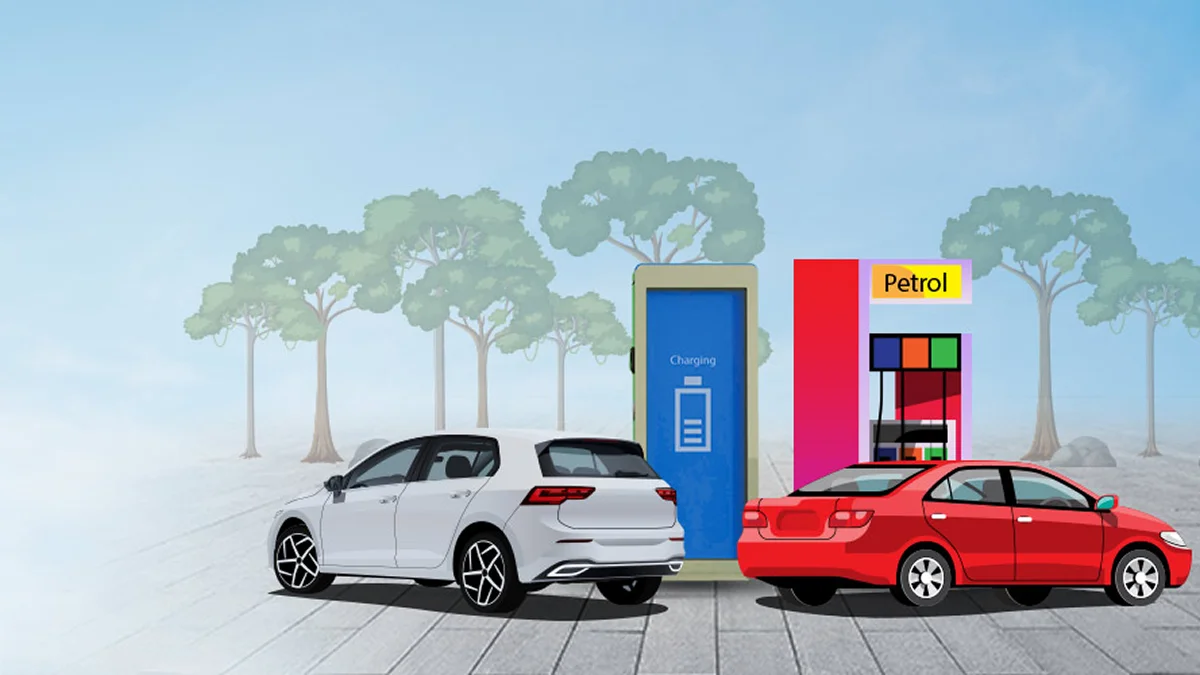
Battery health determines your used EV’s range and future costs more than mileage does. Start your checks here to avoid surprises.
Request the State of Health Report
The State of Health (SoH) percentage indicates remaining battery capacity compared to original specifications. Request this report from an authorised service centre using the vehicle’s VIN (Vehicle Identification Number). A SoH above 80% is excellent, while anything below 70% signals major degradation and potential replacement costs within a few years.
Also Read: Power Your Drive: A Guide to Electric Vehicle Loans
Conduct a Real-World Range Test
Take the vehicle for an extensive test drive with a full charge and compare the accomplished range against the manufacturer’s claims. Look out for irregular charging patterns, range drops, or alerts; these may signify hidden battery issues that could impact your ownership experience and loan value.
Verify Charging History and Maintenance Records
Ask about the previous owner’s charging habits; regular home charging is ideal, but frequent DC fast charging reduces battery lifespan. Check the service history to see if scheduled maintenance, software updates, and thermal management system checks were done.
Also Read: All You Want to Know About Pre-Owned Car Loans
Invest in Professional Battery Inspection
A certified EV technician can identify issues invisible to untrained eyes. They’ll do physical checks for corrosion, leakage, or damage to battery cells and connections. This report also strengthens your loan application with documented evidence of battery health.
Understanding Warranty Coverage on Used EV Batteries
Warranty coverage directly impacts your electric vehicle used car loan terms and ownership security. Here’s what to verify:
- Manufacturer warranty check: Confirm the battery warranty details and health status with the manufacturer or an authorised service centre using the VIN for the loan documentation or future claims.
- Standard Manufacturer Warranty: Most Indian EV makers offer 8 years or 1.6 lakh km battery warranty, whichever occurs first. The remaining warranty often transfers to the second owner, though terms may change, so written confirmation of transferability is essential.
- Coverage Scope: Some warranties cover battery capacity degradation where the State of Health (SoH) falls below 70%. On the other hand, they exclude accidental damage, improper charging, unauthorised modifications, and normal wear and tear beyond the specified limits.
- Remaining Coverage: In case the previous owner acquired the vehicle 3 years ago with 50,000 km, you can assume there’s about 5 years or 1.1 lakh km of usage left. This differs from car to car. Be sure to document this precisely before applying for a loan.
- Required Documentation: Make sure you have the original invoice, service history, warranty card, transfer certificates, battery health reports, and other documents ready before applying for the loan.
- Extended Warranty Options: Some third-party providers offer extended coverage for used EVs. Compare the warranty cost with potential battery replacement expenses (₹3 - ₹12 lakhs depending on model) and read exclusions carefully. This can help reduce ownership risk and may strengthen your loan application.
Also Read: New Car vs Used Car Loans: Which is a Better Option?
To Conclude
Verifying battery health and warranty coverage is essential before securing a used car loan for an electric vehicle. By checking factors like State of Health percentage, service history, and warranty transferability, you can be safeguarded against unanticipated costs. Additionally, you may also get better terms for financing. To explore flexible financing for your pre-owned electric car, consider Poonawalla Fincorp’s Used Car Loan and enjoy benefits like minimal documentation and quick approval.
FAQs
What State of Health (SoH) is acceptable for a used EV in India?
In general, a SoH above 80% is already interpreted as good, and anything between 70% and 80% is still acceptable if the cost is right. Below 70% should be approached with caution and strong price negotiation.
Can I buy a used EV without a battery warranty?
Yes, it’s possible to buy a used EV without a battery warranty, but it elevates your risk. In case a significant battery problem arises, you’ll have to bear the entire cost, which should be factored into the vehicle’s purchase price and your overall budget.
How does battery condition affect my Electric Vehicle Used Car Loan?
Lenders prefer EVs with healthy batteries and an active warranty, as it protects the car’s value during the loan tenure. Better battery health can help with smoother approval and more favourable terms.
We take utmost care to provide information based on internal data and reliable sources. However, this article and associated web pages provide generic information for reference purposes only. Readers must make an informed decision by reviewing the products offered and the terms and conditions. Loan disbursal is at the sole discretion of Poonawalla Fincorp.
*Terms and Conditions apply