Purchasing the right equipment can boost productivity and help expand your business. However, high initial expenses are an important factor to consider. Businesses can buy necessary equipment like machinery, tools, or technology. Equipment financing through loans or leasing allows businesses to acquire essential assets without straining working capital. In this blog, we will explore how businesses can obtain equipment financing to support efficient operations.
What is Equipment Financing?
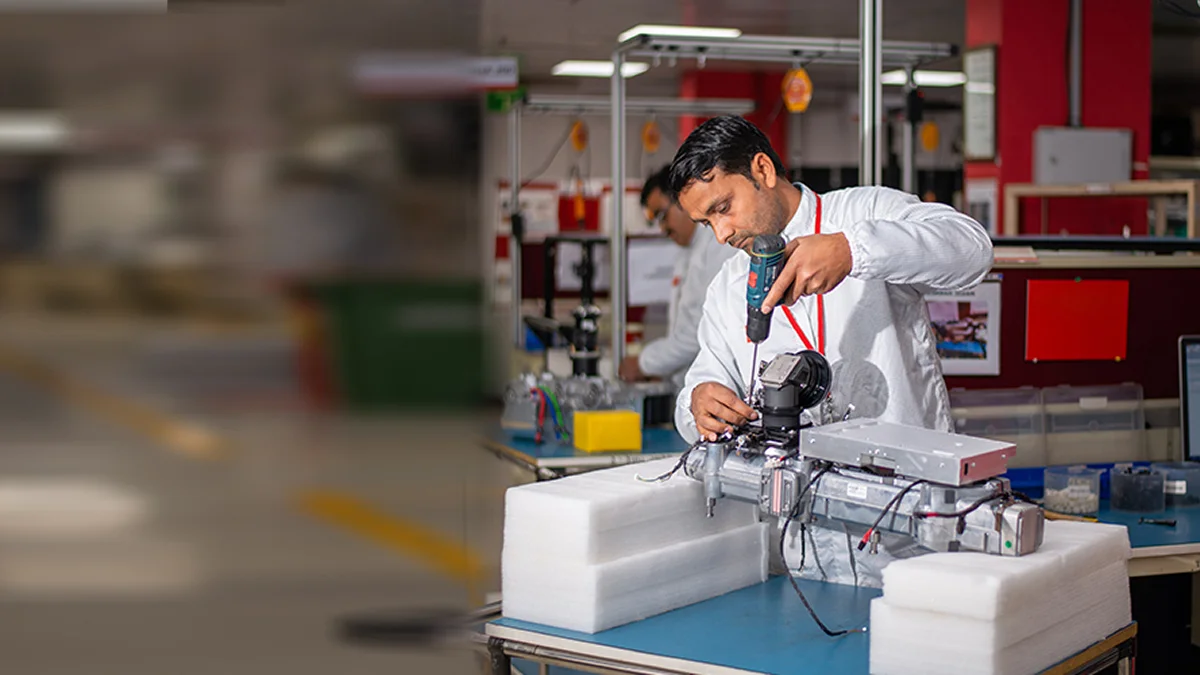
Equipment financing means borrowing money or leasing equipment to support business operations. Banks and NBFCs in India provide loans or lease options for machinery, vehicles, IT systems, and more.
-
Clinics can use medical equipment finance to purchase or lease diagnostic devices.
-
Manufacturers can finance new machinery to increase production capacity.
The lender provides funds (in case of a loan) or the equipment itself (in case of a lease). Repayment is made through regular instalments that include interest or lease rent.
Also Read: What is Part-Payment, Pre-Payment, Pre-Closure?
What Can You Purchase With Equipment Financing?
There are many types of business equipment and assets you can finance. Here are some common examples:
-
Heavy machinery for factories
-
Computers and IT systems
-
Company cars and fleet vehicles
-
Furniture and office furniture
-
Medical devices
-
Security systems and security solution devices
-
Manufacturing machineries
-
Sales team tools
-
Special machinery for a specific type of work
Best Equipment Financing Options: Loans and Leasing
Different businesses need different types of support. Here are the two main types of equipment financing options businesses can use:
1. Business Loan
A lender gives you a loan to buy new equipment or new machinery. You can then repay it through monthly payments over several months or years through EMIs (Equated Monthly Instalments).
Best suited for:
-
Full ownership of equipment after repayment
-
Long-term use of machinery or tools
-
Building assets that add value to your balance sheet
2. Equipment Leasing
You can decide to lease machinery or equipment if you don't want to buy it right away. Instead of buying equipment directly, you can rent it for a predetermined period by making regular monthly instalment payments. You will need to enter into a lease agreement with a predetermined duration. In certain situations, you might even get the option to purchase the equipment at the end of the lease.
Best suited for:
-
Lower upfront costs
-
Regular technology upgrades
-
Short-term use without long-term ownership
Business Loan vs Equipment Leasing: Key Differences
Before choosing between a Business Loan or machinery loan, and leasing contracts, let's understand how both options differ based on various factors:
|
Factor |
Business Loan |
Equipment Leasing |
|
Ownership |
You own the equipment after repayment. |
You do not own it; you only use it for the lease period. |
|
Upfront Cost |
May require a down payment depending on the lender. |
Little to no upfront cost. |
|
Monthly Payments |
Typically higher because you're buying the assets. |
Often lower because you're paying only for usage. |
|
End of Term |
You keep the equipment as an asset. |
You return, renew, or sometimes buy at a residual price. |
|
Best For |
Long-term use of equipment. |
Short-term or rapidly outdated equipment. |
Also Read: Pros and Cons of Long-Term Business Loan
Benefits of Obtaining a Business Loan
If you’re planning to upgrade your tools or machinery, a Business Loan offers several advantages that make the process easier and more affordable:
-
Helps you purchase essential machinery without upfront payments.
-
Offers flexible repayment through EMIs.
-
Allows the equipment itself to serve as collateral, reducing loan requirements.
-
Preserves your working capital for day-to-day business needs.
-
Enables faster business expansion and better productivity.
-
Offers tax benefits on interest paid (as per applicable tax laws).
Steps to Obtain a Business Loan
Applying for and obtaining a Business Loan or equipment loan is easy. Here are the steps that you need to follow:
1. Identify What You Need to Buy
List the tools, machines, or vehicles you want to buy. Check their details, prices, and supplier. Make sure each item really supports your goals and brings growth to your business.
2. Estimate Your Budget
Determine how much you can pay as a down payment (if required) and how much EMI you can comfortably manage. Also, assess how the purchase will impact your future cash flow.
3. Get Your Credit Score
Most lenders look for a good CIBIL score (usually more than 700). A higher score improves your chances of approval and helps you secure a lower interest rate.
4. Gather All Required Documents
Document requirements vary by lender; however, they generally include:
-
PAN card
-
Business registration proof
-
Business address proof
-
Bank statements and business financial statements
-
Income-related documents
Having these ready helps speed up the application process.
5. Compare Lenders
Each lender offers different financing solutions. Compare them based on interest rates, loan tenure, and loan repayment flexibility offered. This will help you choose the best option for your business needs.
6. Apply for the Loan
Once you find the right lender, fill out the Business Loan application form and provide all required documents. Some lenders may also talk to your supplier to verify equipment costs.
7. Receive the Funds
If your application is approved, the lender disburses the loan amount. You can then purchase the equipment and upgrade your operations.
To Conclude
Equipment financing is one of the easiest ways to expand operations without draining cash reserves. Whether you need machinery, vehicles, IT systems, or medical equipment, loans and leases provide flexibility.
Before applying, always compare lenders, understand repayment terms, and plan cash flow, taking into account any collateral that may be required . With the right financing, you can upgrade operations, improve efficiency, and build a profitable business.
Looking to get a Business Loan? If so, connect with Poonawalla Fincorp and obtain a loan with competitive rates and flexible repayment options. Apply for a Business Loan now!
Read Also: Top 6 Mistakes To Avoid While Taking A Business Loan
FAQs
Can I finance second-hand or refurbished equipment?
Yes, many lenders allow financing for used machines; however, loan approval for the borrower depends on the equipment's age, condition, and resale value.
How fast can I get equipment financing after applying?
The approval and disbursal of equipment financing depend on the lender's policies and the completeness of your documents.
Do lenders finance business equipment from international suppliers?
Many lenders allow; however, they may ask for extra documents like import details, quotations, and supplier verification.
Will equipment financing affect my working capital loan eligibility?
Usually, no, unless your repayment burden becomes too high and affects your creditworthiness.
What happens if my leased equipment becomes outdated before the lease ends?
You may be able to upgrade mid-lease, depending on the terms offered by your lending company.
We take utmost care to provide information based on internal data and reliable sources. However, this article and associated web pages provide generic information for reference purposes only. Readers must make an informed decision by reviewing the products offered and the terms and conditions. Loan disbursal is at the sole discretion of Poonawalla Fincorp.
*Terms and Conditions apply