Many borrowers hesitate to use their broken jewellery as collateral for a Gold Loan. This may result in borrowers not using their damaged jewellery for loans. However, lenders primarily assess jewellery based on its purity and weight rather than its condition. Therefore, broken jewellery can be used as collateral for Gold Loans.
This blog will guide you in understanding exactly how lenders evaluate your jewellery so you can put your broken jewellery to good use.
Can Broken Jewellery Be Used for a Gold Loan?
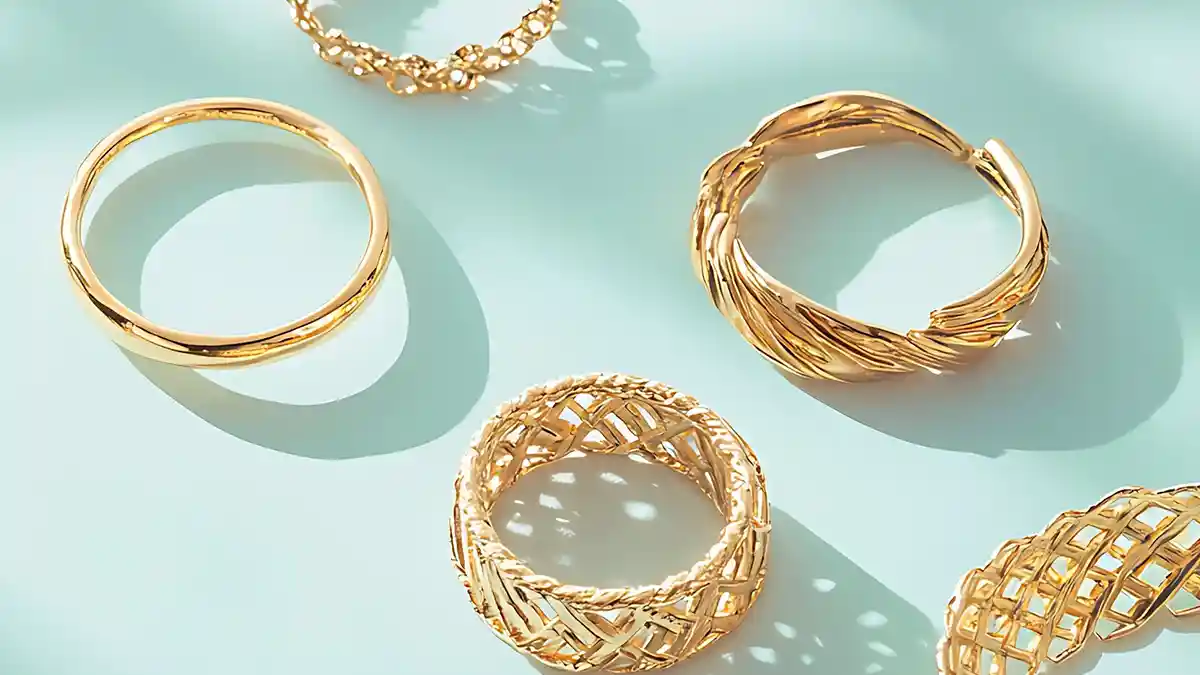
Yes, broken jewellery is accepted by lenders based on purity and weight. A broken chain, bent bangle, or single earring will still contain gold and have some value. Therefore, it will still provide some financial value to you and the lender.
Why Lenders Accept Broken Jewellery:
The value of gold is determined by its intrinsic gold content. If your jewellery is made of real gold and meets the required purity standards, lenders generally have no reason to refuse it.
What Matters More Than Jewellery Shape:
It does not matter how the jewellery looks, how it has been crafted, or whether it is broken. What really matters is:
- Karat Purity (18K–22K is acceptable with most lenders)
- Net Gold Weight
- Current Gold Rates
Myths vs Facts About Gold Loan Eligibility
Many myths discourage borrowers from making good use of their gold. Here are some common myths to help you make informed borrowing decisions:
1. Myth: A Broken Gold Item Won’t be Accepted by a Lender
Fact: Gold Purity Determines Eligibility, Not Appearance
When assessing the quality of a gold item, lenders base their loan approval on scientific analysis of the gold's purity. Thus, if the purity is equal to or greater than the minimum requirement (usually 18K), it would be acceptable to the lender.
2. Myth: Stones, Pearls, and Designs can Increase the Loan Value
Fact: Only Net Gold Weight is Considered During Valuation
When assessing a loan against any jewellery containing gems and diamonds, the lenders deduct the weight of these stones from the total weight. The final loan value will be calculated only against the weight of pure gold in your jewellery.
3. Myth: You Must Repair Jewellery Before Applying
Fact: Repairs are unnecessary and do not improve loan eligibility
Contrary to the myth, lenders will accept your jewellery without requiring repairs. The purity of gold does not change regardless of whether it is broken or repaired, hence repairing would be an unnecessary expense.
4. Myth: Only 24K Gold is Accepted
Fact: Most lenders accept jewellery ranging from 18K to 22K
Since 24K gold is too soft to craft durable ornaments, most jewellery is made from 22K or 18 K gold. As a result, lenders evaluate and provide loans based on the 18K, 20K, or 22k gold in your jewellery.
Conditions Where Broken Jewellery is Not Eligible
Here are cases where broken jewellery may not be accepted as collateral for a Gold Loan:
Low Purity or Insufficient Gold Content
Jewellery with low purity may be ineligible for a loan because it contains insufficient gold. If your jewellery has a high proportion of other alloys, it may not qualify for a Gold Loan. The lower the gold content, the lower the loan amount you may receive.
Large Number of Stones or Filler Materials
It becomes difficult to accurately weigh and measure the gold in broken jewellery when it contains many stones or filler materials. If the jewellery cannot be adequately evaluated for its gold content, a lender may reject it for loan purposes.
Hollow Jewellery That Reduces Total Weight
Jewellery that appears large but is lightweight, such as hollow or thin-walled designs, contains very little gold. The low gold content may result in rejection if it falls below the lender’s minimum required weight.
How the Gold Loan Process Works
It is helpful to understand the entire application process if you are considering a Gold Loan. The steps are simple and easy to follow:
Step 1: Submit Gold Jewellery and Loan Application:
You can either visit the lender to pledge your gold jewellery in person or submit an online application to request a Gold Loan.
Step 2: Valuation and Purity Testing:
The lender will check the purity of the Gold using scientific tests and weigh it. At this stage, they will remove the weight of any stones and fillers to get the final gold value.
Step 3: Calculation of Loan Amount:
The lender will calculate the loan amount based on the purity of gold, the total weight of gold, and the current gold market price. The final loan amount you are offered will depend on the loan-to-value (LTV) ratio.
Step 4: Loan Approval and Instant Disbursal:
Once you submit your documents, the lender will verify them and approve your loan. The loan amount will be disbursed quickly to your account.
Step 5: Repayment and Release of Jewellery:
Once you repay the loan, your gold jewellery will be returned to you in the same condition in which you pledged it.
Read Also: How is a Gold Loan Amount Calculated?
Tips to Improve Your Chances of Gold Loan Approval for Broken Jewellery
The following tips can help ensure a faster approval process and a higher loan amount when using damaged jewellery as collateral:
- Clean your broken jewellery before it is assessed; this will ensure the jewellery is appraised accurately.
- Keep all your KYC documents ready to fasten the approval process.
- Compare repayment terms and loan-to-value ratios being offered by different lenders.
- Request a new appraisal on your jewellery if the gold price rises.
- Do not include jewellery with fake or poor-quality gemstones or diamonds that may affect the approval of your Gold Loan.
- Ensure your previous repayment history is clear if you're planning to request a top-up loan later.
Read Also: How to Check Gold Purity at Home: Simple Tests You Can Do
To Conclude
Broken jewellery can also help you access funds quickly to meet urgent financial needs. Lenders assess gold based on its purity, weight, and current market price, making it possible to pledge even damaged pieces confidently. A Gold Loan allows you to unlock the value of your gold without selling it, providing both financial flexibility and emotional security.
If you are looking to raise funds using your gold jewellery, consider Poonawalla Fincorp’s Gold Loan. Benefit from transparent valuation, quick approval, secure storage, and competitive interest rates.
FAQs
Does the appearance of the jewellery affect the loan amount?
No, as the valuation of gold jewellery is based solely on purity, weight, and the market price of gold, appearance doesn’t affect the loan amount.
Will the lender repair my jewellery while assessing for a Gold Loan?
No, repairing or fixing jewellery is not part of the Gold Loan process and is not required.
Can I pledge jewellery that contains stones and is antique?
Yes, your loan amount will be determined after deducting the value of the stones or any non-gold components from the total weight.
Is the process of evaluating broken jewellery different?
No, valuation is conducted according to the same standard method for broken, old, or new jewellery.
Can I pledge broken jewellery for a Gold Loan and later use it for another loan?
Yes, you can, provided you have fully repaid the previous loan on time and the gold still holds sufficient value for the new loan.
We take utmost care to provide information based on internal data and reliable sources. However, this article and associated web pages provide generic information for reference purposes only. Readers must make an informed decision by reviewing the products offered and the terms and conditions. Loan disbursal is at the sole discretion of Poonawalla Fincorp.
*Terms and Conditions apply