Gold is a trusted asset for many Indian families. However, the type of gold you possess is important when applying for a Gold Loan. Two of the most popular types of gold in India are KDM and Hallmark gold. They are different in terms of definition, purity, certification and lender acceptance.
Understanding the differences between hallmarked and non-hallmarked gold can help you make more informed financial decisions.
What is Hallmark Gold?
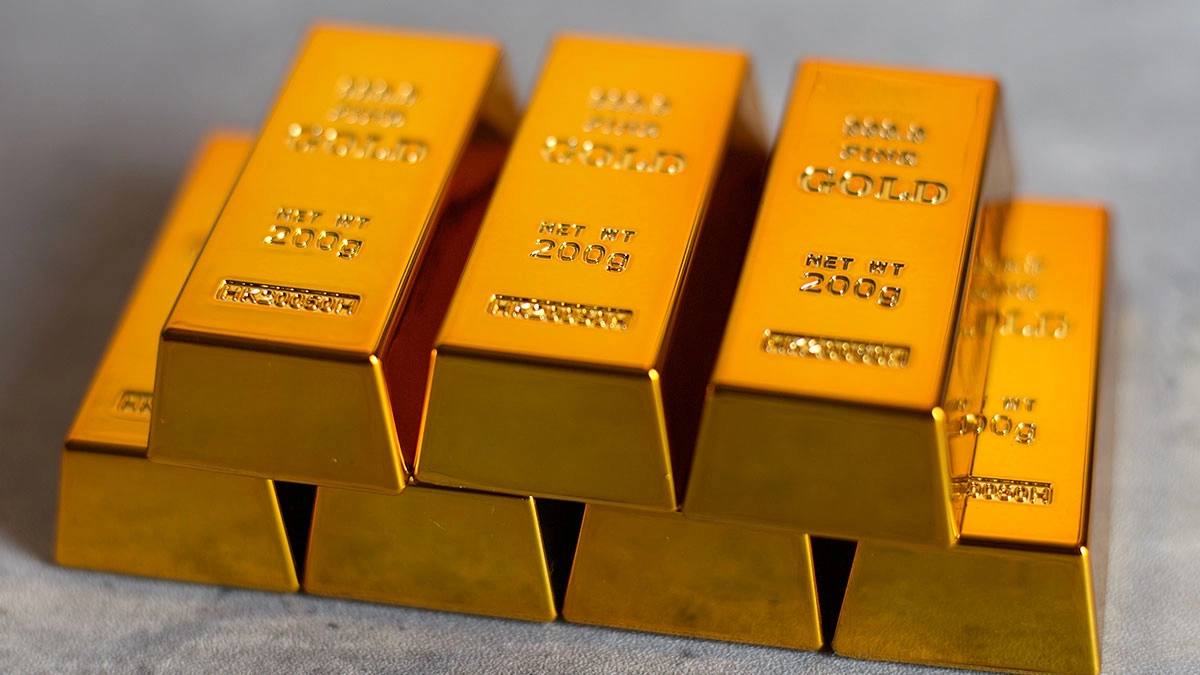
Hallmarked gold is defined as gold that has been tested and certified for purity. Gold purity certification is provided through assaying and hallmarking carried out by BIS-recognised centres under the Bureau of Indian Standards (BIS). The BIS hallmark signifies that the gold content of such gold jewellery is consistent with national quality standards.
The most commonly hallmarked gold jewellery purities in India are 24K (99.9% pure), 22K (91.6% pure), 18K (75.0% pure), and 14K (58.5% pure). Each purity level carries a corresponding fineness mark that indicates the gold content.
A BIS hallmark contains three components: the BIS logo, the purity or fineness mark, and a six-digit alphanumeric Hallmark Unique Identification (HUID) code. Each HUID-linked article is recorded in the BIS database, enabling consumers to verify its purity and hallmarking details.
What is KDM Gold?
KDM gold is gold made with cadmium as the soldering agent. Cadmium (KDM) is used to join gold components when making jewellery, resulting in a final product of approximately 92% purity, even when using a base of 22-karat gold.
Cadmium is used mainly because it has a lower melting point and makes the soldering process faster. As it is a toxic heavy metal, the use of cadmium is highly discouraged in India. Long-term exposure to cadmium fumes creates adverse health effects on those who work with it.
Most jewellers now use safer options, such as zinc and copper-based alloys, to solder jewellery. KDM is a manufacturing process and not a measure of purity or a certification standard. Today, BIS hallmarking is the standard way of checking the purity of gold jewellery, and in general, hallmarked jewellery is preferable for resale and Gold Loan purposes.
KDM Gold vs Hallmark Gold: Key Differences
The primary distinction between KDM gold and hallmark gold lies in the method of creation and how purity is verified and validated. The following table illustrates how KDM gold differs from Hallmark gold based on a number of different criteria.
|
Feature |
Hallmark Gold |
KDM Gold |
|
Purity Certification |
Certified by BIS, it includes a purity mark and has a unique HUID code for traceability. |
There is no official certification. The purity of the gold is assumed, which makes the valuation less transparent. |
|
Market Acceptance |
Widely accepted by jewellers, banks, and NBFCs. Hallmark gold is highly preferred for resale, exchange, and Gold Loan purposes. |
KDM gold is not preferred by many financial institutions unless its purity is verified. It may be undervalued during resale or loan evaluation if it is not hallmarked. |
|
Loan Eligibility |
Lenders may offer higher confidence in valuation due to its certified purity and authenticity. |
Lenders may require additional purity checks before offering a valuation. |
|
Resale Value |
Hallmark gold generally has a higher resale value due to its verified quality and purity. |
KDM gold may have a lower resale value if it lacks hallmark certification and requires additional purity verification. |
|
Health and Safety |
Commonly manufactured using safer, cadmium-free soldering methods, reducing health risks during production. |
Since cadmium is toxic, it may pose health risks to workers during the manufacturing process. |
|
Commonly Used |
Commonly used in jewellery purchases, especially bridal jewellery and investment-grade ornaments. |
Mostly found in older jewellery manufactured before cadmium-free soldering methods became widely adopted. |
How do Different Types of Gold Affect Your Gold Loan Eligibility?
Here’s how different types of gold can impact the process of assessing it for gold loans:
- Loan Value: Lenders prefer hallmark gold because of its verified purity. This decreases their risk and helps you avail the maximum loan-to-value ratio. However, the KGM Gold Loan provides a smaller loan amount, and you can be asked to submit further purity checks.
- Low Interest Rate: Some lenders provide attractive interest rates against certified gold. As it is easier to value and liquidate in case of default.
- Transparency and Speed: When you provide authentic purity certifications, the assessment of your gold is faster and easier. This speeds up the entire process of loan approval.
The Reserve Bank of India (RBI) limits the Loan-to-Value (LTV) ratio for gold loans to up to 75% of the current market value, based on the valuation done by the bank’s gold assessor. Gold purity and BIS hallmarking influence the assessed value and, therefore, your borrowing capacity. Hallmarked gold generally enables a faster and potentially higher-value Gold Loan experience.
Read Also: 10 Factors That Influence Gold Prices in India: Complete Analysis
To Conclude
When considering pledging gold jewellery for a Gola Loan, it is important to understand the differences between KDM gold and hallmark gold. Hallmarked gold jewellery is certified for purity and is generally more widely accepted by lenders compared to non-hallmarked jewellery.
Hallmarked gold typically requires minimal additional purity testing, which can help make the valuation and loan processing faster compared to jewellery that is not hallmarked. For a transparent valuation and smooth loan process, consider today a Gold Loan with Poonawalla Fincorp.
FAQs
Is KDM gold still available in the market?
KDM gold has largely been phased out in India due to the use of cadmium-based solder and associated health concerns. Most jewellers now prefer BIS-hallmarked jewellery.
What is 916 gold?
916 gold is another name for 22-karat gold, containing 91.6% pure gold. It is commonly hallmarked in India and certified by BIS under the marking '22K916'.
Is hallmark gold more expensive than non-hallmarked gold?
Hallmark gold does not cost more than non-hallmarked gold in terms of raw material value. However, it may offer better resale confidence and easier access to gold loans due to certified purity.
Can I get a Gold Loan on KDM gold?
Some lenders may accept KDM jewellery after a purity assessment; however, it typically requires additional testing. Loan eligibility and value depend on verified purity rather than the soldering method.
What is the difference between KDM and 916 gold?
KDM gold refers to jewellery made using cadmium-based solder and is not a BIS purity standard. 916 gold refers to BIS-certified 22-karat gold containing 91.6% pure gold, making it more reliable for valuation, resale, and loans.
We take utmost care to provide information based on internal data and reliable sources. However, this article and associated web pages provide generic information for reference purposes only. Readers must make an informed decision by reviewing the products offered and the terms and conditions. Loan disbursal is at the sole discretion of Poonawalla Fincorp.
*Terms and Conditions apply