Making a part prepayment allows you to decrease the outstanding principal balance on your Personal Loan during the loan term. With part prepayment, you save on future interest charges, reduce your overall loan term and even lower your EMIs. This approach also helps reduce the outstanding loan amount, supports long-term financial freedom, and allows borrowers to save money on borrowing costs.
Let’s understand how using part prepayments can lower interest costs and improve long-term financial stability.
What is Personal Loan Part Prepayment
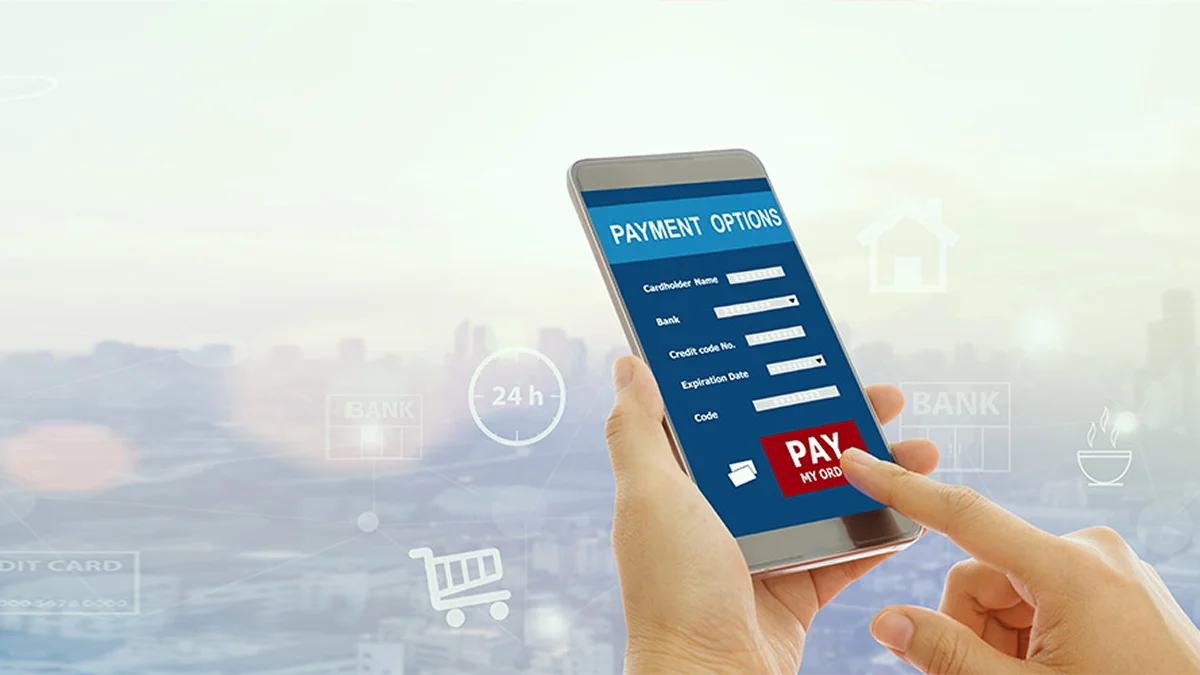
Before planning a part prepayment, it is essential to understand what it is and how it works. Part prepayment refers to paying a portion of the Personal Loan balance in addition to the amount due through regular EMIs. This additional amount can be a one-time payment or paid in smaller amounts over multiple payments during the loan term.
When you prepay your Personal Loan, the portion of the money you pay goes toward reducing your Personal Loan's principal balance. Thus, with a partial prepayment, you will end up paying less total interest.
How Part Prepayment Affects the Outstanding Principal of a Personal Loan
When you make a part payment on a loan, the outstanding loan balance reduces. Since interest is calculated on the outstanding principal, a lower balance results in reduced interest charges. As a result, future interest payments decrease when part of the principal is prepaid.
As the principal amount reduces, either the remaining tenure, the EMI, or both may decrease, leading to significant interest savings over time. The reduction in total interest paid can be substantial over the entire loan term. And the earlier the part payment is made, the greater the positive impact on the borrower’s overall financial position.
Approaches to Prepay Your Personal Loan
You can use different financial approaches to make a partial prepayment effectively.
Use Disposable Income to Prepay Personal Loan
Disposable income is the money remaining after meeting necessary living expenses and achieving your savings goals. Using disposable income for partial prepayments is an effective way to minimise or avoid potential financial difficulties. However, it is essential to maintain an adequate emergency fund before making any prepayments.
Using surplus funds wisely can improve your debt-to-income ratio while keeping existing debt obligations manageable. Using emergency savings for partial prepayments may leave you vulnerable to unexpected financial stress.
Use Windfall Gain to Prepay Personal Loan
Windfall gains, such as annual bonuses, commissions, gifted money, and maturity payments, can also be used as partial repayments of the loan. Windfall amounts are significant for paying down the loan or reducing the loan balance. By using windfall income, you can minimise the overall interest paid without disrupting your regular cash flow.
Use Low-interest Sources to Prepay Personal Loan
Some borrowers consider using low-interest sources to repay high-interest Personal Loans. Before replacing a high-interest loan with a lower-interest option, carefully evaluate all available alternatives. While low-interest funding may reduce overall interest costs, borrowers should assess the associated risks, repayment terms, and liquidity impact before proceeding.
Loan Prepayment Charges and Loan Terms to Check
Before making any part repayment, please review the terms of your loan to avoid any surprises about prepayment charges.
Understanding Prepayment Charges and Lock-in Period
Many lenders include prepayment charges on Personal Loans. Some also impose a lock-in period during which a prepayment fee is charged if the loan is repaid early. These charges are typically calculated as a percentage of the amount prepaid. Therefore, it is essential to check whether any penalties apply to a partial repayment, even after the lock-in period ends.
Fixed Rate Loans vs Floating Rate Loans
Prepayment charges can vary depending on whether a loan carries a fixed or floating interest rate. Fixed-rate loans generally have higher prepayment penalties, as lenders account for the loss of future interest income.
Floating-rate loans, on the other hand, usually have fewer prepayment restrictions. In many cases, it does not attract prepayment or foreclosure charges, particularly for individual borrowers, as per RBI guidelines.
You can plan partial repayments more effectively and maximise interest savings by knowing the type of interest rate that applies to your loan. It is also important to be aware of other related prepayment regulations.
Loan Agreement Clauses That Matter
When reviewing your loan agreement, you will find clauses detailing prepayment charges and the frequency and amount of permitted part payments. Reading and understanding these terms before making a part payment can help you assess the applicable conditions and make informed financial decisions.
Is Part Prepayment the Right Choice for a Personal Loan?
Part prepayment should align with your broader financial situation and long-term goals.
Using Calculators to Estimate Personal Loan Interest Savings
Personal Loan calculators help estimate how part prepayments may reduce either the EMI or the remaining loan tenure. With these tools, borrowers can compare different prepayment amounts and timings. It makes it easier to plan repayments based on accurate projections rather than assumptions.
Evaluating Prepayment Charges and Net Savings
Before making a part prepayment on a Personal Loan, borrowers must assess any applicable prepayment or foreclosure charges. Comparing these costs against the expected interest savings helps determine whether part prepayment will result in a genuine financial benefit.
Understanding Governmental Regulations and Guidelines
Individual lender policies and applicable RBI guidelines govern the prepayment rules for Personal Loans. Borrowers should carefully review their loan agreement to understand limits, charges, and conditions related to partial prepayment. Staying informed helps avoid disputes and ensures compliance with reporting practices followed by credit bureaus.
Read Also: 6 Easy Ways to Repay Personal Loan Faster & Save Interest
To Conclude
Making a loan part prepayment helps reduce your debt burden, improves long-term financial security, and minimises interest costs over the loan tenure. By partially repaying the principal, you lower the outstanding balance, which in turn reduces the interest accrued on your Personal Loan.
Part prepayment, however, needs to be carefully planned. Before moving forward, review your loan agreement, any relevant charges, and your total financial commitments. Part prepayment can be a valuable strategy to reduce the cost of your Personal Loan when done at the appropriate time.
If you are looking for a Personal Loan with affordable rates and easy loan terms, Poonawalla Fincorp’s Personal Loan can be a suitable option. Connect with us today for more details!
FAQs
Does part prepayment reduce EMI or loan tenure?
Part prepayment can reduce either the monthly EMI or the remaining loan tenure, depending on the borrower’s choice.
Are there charges for part prepayment on Personal Loans?
Prepayment charges vary by lender. Many lenders charge prepayment penalties during a lock-in period. Some lenders may allow free prepayments after the lock-in or for floating-rate loans, subject to their terms.
When is the best time to do a loan part payment?
It is advised that you make part payments on a Personal Loan as soon as possible to maximise your interest savings.
Does partial prepayment of a loan affect my credit score?
Part prepayment does not directly increase your credit score. However, reducing the outstanding debt of a loan early and maintaining timely repayments can have a positive long-term impact on your credit profile.
How does partial prepayment of a Personal Loan help to reduce financial stress and overall interest burden?
Your outstanding principal and total interest payable over the loan tenure might be reduced by using surplus funds to make a partial prepayment. This approach can help you better manage your financial commitments by lowering your monthly EMI or shortening the remaining term.
We take utmost care to provide information based on internal data and reliable sources. However, this article and associated web pages provide generic information for reference purposes only. Readers must make an informed decision by reviewing the products offered and the terms and conditions. Loan disbursal is at the sole discretion of Poonawalla Fincorp.
*Terms and Conditions apply