One of the most common dilemmas in the Indian passenger car market is choosing between a hatchback and a sedan. Each one serves its purpose differently; however, your lifestyle, personal driving style, and budget will primarily determine your choice.
Hatchbacks are generally more practical vehicles for everyday use, whereas sedans tend to provide additional interior space, along with providing better comfort to passengers.
All of these differences come from a variety of factors, including your personal preference and use of the vehicle. Your method of financing the vehicle also plays a major role in choosing the vehicle you want.
Hatchback vs Sedan: Key Differences
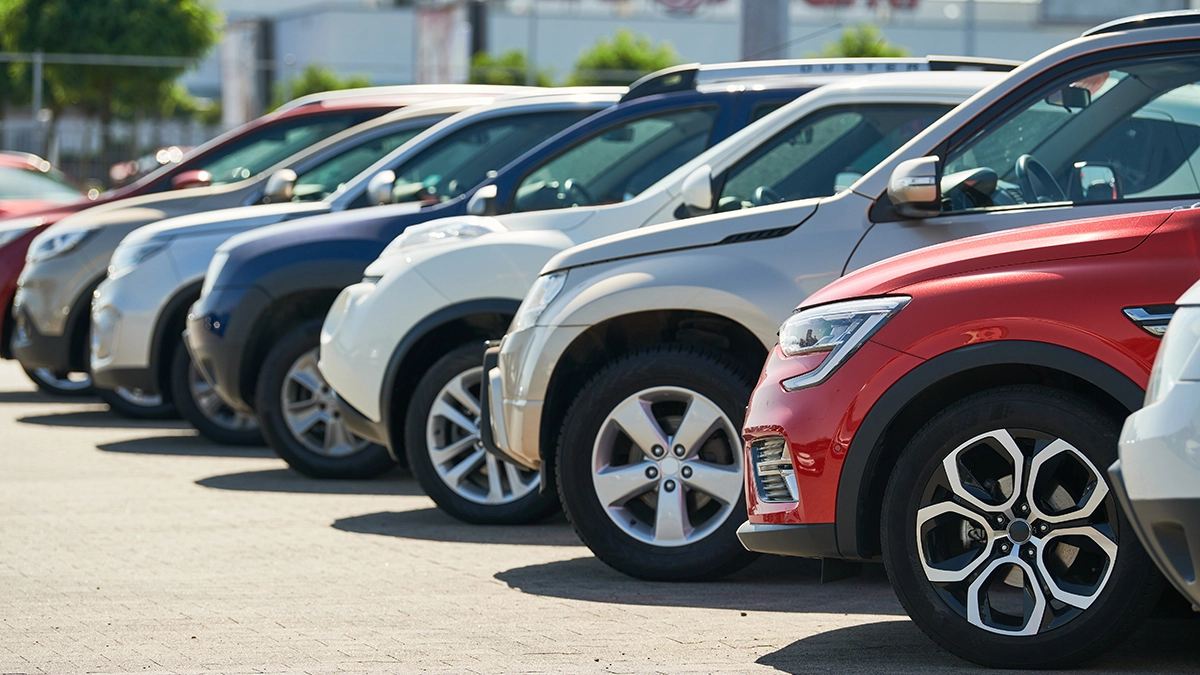
The major difference lies in the structural design of these two passenger vehicle types.
|
Feature |
Hatchback Cars |
Sedan Cars |
|
Body Structure |
Two-box body |
Three-box body |
|
Luggage Space |
Flexible; however, limited |
Fixed and more structured |
|
Cargo Area |
Expandable with foldable rear seats |
Larger; however, less flexible |
|
Fuel Efficiency |
Generally higher |
Moderate |
|
Ride Quality |
Suitable for city driving |
Better suited for high-speed driving |
|
Interior Space |
Compact |
More spacious |
|
Parking Ease |
Easy in tight spaces |
Requires more space |
These key features highlight how hatchback and sedan cars cater to different driving needs.
Pros and Cons of Hatchback Segment Cars
Hatchbacks dominate the car market in India, especially with urban customers. They have compact dimensions and provide excellent fuel economy, making them suitable for everyday use.
Pros
- Hatchback vehicles generally have a higher fuel efficiency due to their smaller engines, making them a fuel-efficient option for driving in the city.
- Hatchback vehicles have compact sizes that provide excellent manoeuvrability and are very well suited for driving in congested traffic.
- With fold-down rear seats and tilting rear seat backs, you can easily increase your cargo capacity if required.
- Buying a hatchback is more affordable because of its lower cost and also because you will spend less money on maintenance over time.
Cons
- Hatchbacks do not provide a lot of boot space, which restricts the amount of luggage you can take when travelling long distances.
- Rear seat leg room may be limited for taller individuals, and hatchbacks may feel less stable than sedans at higher speeds.
Pros and Cons of Sedan Cars
When it comes to comfort, performance, and an overall premium feel, customers prefer sedans.
Pros
- Sedan has a separate boot compartment, which is quite secure when it comes to keeping your luggage separate from your other items.
- Sedans also offer a more spacious cabin with better rear seat comfort. This would allow more comfortable backseat driving for families on long trips.
- These cars deliver a very smooth ride in comparison to other vehicles.
- Sedans often have lower ground clearance, which contributes to better high-speed stability compared to other car segments.
Cons
- Sedan cars tend to have higher fuel consumption compared to hatchback cars, as their larger size and engine capacity can impact fuel efficiency.
- Parking can also be challenging in tight spaces, especially in crowded urban areas. Additionally, maintenance costs are generally higher than those of hatchbacks.
Hatchback vs Sedan: Which is Better for You?
The major decision when deciding between a hatchback and a sedan is based on how you drive and your intended use of the vehicle. If you are primarily driving around the city, then a hatchback would be the best choice for you due to its compact design, better fuel mileage, and parking ease. Some popular hatchback car models include Maruti Suzuki Swift, Maruti Suzuki Baleno and Hyundai Grand i10 NIOS.
If you want to drive long distances on highways, then a sedan will be more suitable as it is more spacious and has greater stability at higher speeds. Popular sedan car models include: Maruti Suzuki Dzire, Honda City and Hyundai Verna.
A small or medium-sized family can be comfortably accommodated by either car type, depending on usage and space needs.
Boot Space and Practicality
One major difference between hatchback and sedan vehicles is their trunk space and organisation. In hatchbacks, the luggage compartment is considered an extension of the passenger compartment. This allows you to maximise the volume of luggage when the rear seats are down.
Sedans have a separate luggage compartment from the passenger cabin. Therefore, you have greater privacy, organisation, and fewer chances of disturbance to your luggage in a sedan than in a hatchback.
Fuel Efficiency and Running Costs
One of the most important factors influencing vehicle purchase by the buying public when purchasing a vehicle is its fuel consumption and fuel efficiency. Hatchbacks usually provide better fuel consumption than other vehicle types due to their generally smaller engines and less aerodynamic designs.
Therefore, hatchbacks have lower fuel consumption than sedans. Hatchbacks are generally less expensive vehicles to buy.
Ride Quality and Comfort Comparison
There are also significant differences in ride quality between hatchbacks and sedans. Hatchbacks provide a more practical driving position because of their higher centre of gravity and more upright seating positions. Hatchbacks are generally designed to provide better visibility in traffic than sedans.
The primary design considerations for sedans are comfort. Their longer wheelbases and superior weight distribution provide a more comfortable ride, especially over long distances. The overall rear passenger experience is also more comfortable due to greater legroom in the sedan's cabin than in hatchbacks.
Which Loan is Right for Financing Your Dream Car?
Pre-owned cars are often a more affordable option across segments. A used car loan is a type of financing that helps you purchase a used car by repaying the amount in easy monthly instalments. This loan can help you manage costs with flexible terms and affordable EMIs, making it a suitable choice for different types of buyers.
For example, if you get a hatchback car loan of ₹10 Lakh over a period of five years at a 11% interest rate, the monthly EMI will be about ₹21,742. If the loan amount is ₹15 Lakh for a sedan, under the same terms, your monthly EMI would be approximately ₹32,613. This difference highlights how your choice of an affordable car can impact your financial planning.
Read Also: How to Get a Loan for a Used Car When Buying from a Private Seller?
To Conclude
The difference between hatchbacks and sedans lies in their style, design, utility, and use. Hatchback cars are suitable for city driving and can be more fuel-efficient, economical, and easy to drive. At the same time, sedans are more spacious, offer a smoother ride, and provide greater comfort on long trips.
When choosing between a hatchback and a sedan, features alone won't tell you which vehicle best fits your needs. You will also need to determine how the vehicle fits into your budget and lifestyle. Poonawalla Fincorp offers various options if you are considering a Pre-Owned Car Loan to buy luxury cars. Apply Now to enjoy roadside assistance, an extended warranty, and a quality vehicle while saving money.
FAQs
What is the main difference between hatchback and sedan models?
The primary difference between a hatchback and a sedan lies in their design. A hatchback is designed with a two-box configuration, whereas a sedan is configured in three boxes with a separate trunk.
Is ground clearance different between hatchback and sedan cars?
Generally, hatchbacks may offer slightly better ground clearance than sedans, which often have lower ground clearance for improved stability.
How do car segments like compact SUVs compare with hatchbacks and sedans?
Compact SUVs offer more upright seating and extra space compared to hatchbacks and sedans, making them suitable for varied road conditions.
Which car type offers better cargo capacity for bulky items?
Hatchbacks are better for bulky items because of their flexible cargo space and foldable rear seats, unlike sedans with fixed trunk space.
How does the rear door design differ in hatchback and sedan cars?
Hatchbacks have a rear door that opens upward with the rear window, while sedans have a fixed rear windshield and a separate boot lid.
We take utmost care to provide information based on internal data and reliable sources. However, this article and associated web pages provide generic information for reference purposes only. Readers must make an informed decision by reviewing the products offered and the terms and conditions. Loan disbursal is at the sole discretion of Poonawalla Fincorp.
*Terms and Conditions apply