Purchasing a pre-owned vehicle is an excellent way to obtain your desired car while staying within your budget. Pre-owned Car Loan rates are an important consideration when borrowing money to buy a car.
Additionally, the car's year of manufacture is one of many factors that influence the interest rates lenders charge. Older-model vehicles are considered more unreliable and do not hold their resale value. Lenders use this to determine the interest rate, loan tenure, and the maximum amount you can get. In this blog, let's understand how a vehicle's age affects the total cost of a loan.
Why Vehicle Age Matters in Used Car Loans
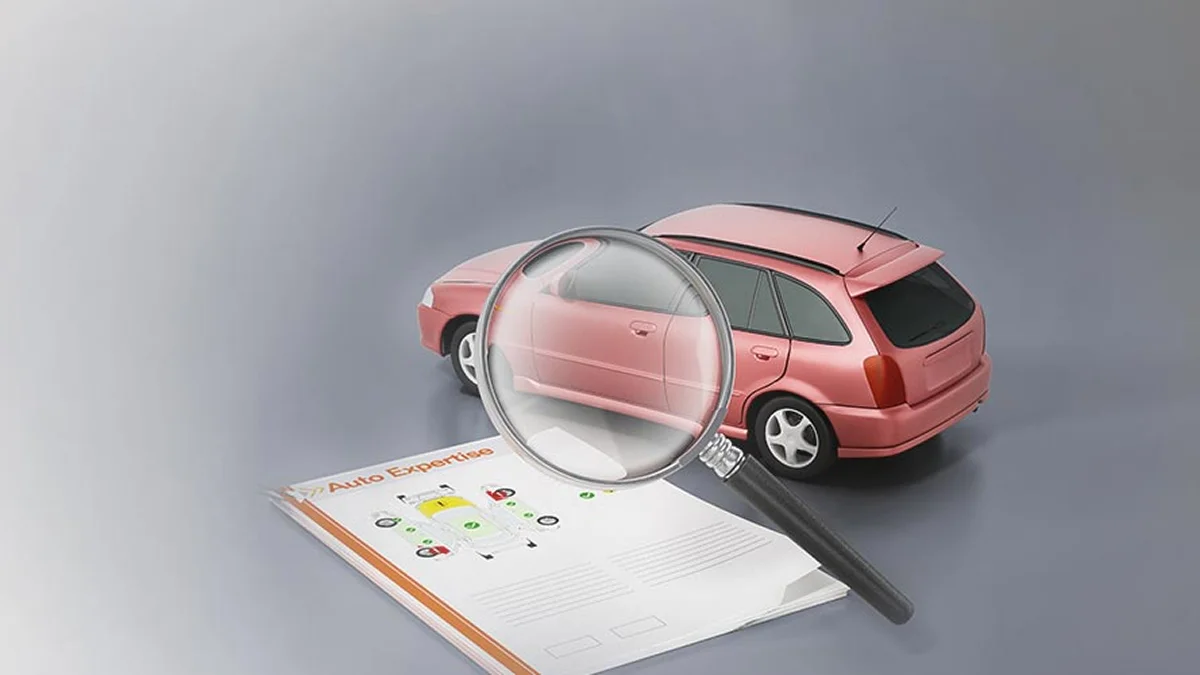
For pre-owned car loans, lenders evaluate the value, condition, and age of the vehicle for which you are borrowing money. This is because the value of the used vehicle determines how much the lender can recover in the event of a loan default.
There is less risk for lenders when lending out money to buy a newer used car. In contrast, there is generally more risk associated with lending money for an older used vehicle. Therefore, the lender may charge a higher interest rate for an older vehicle than for a newer one. This reduces the lender's risk of default.
How Vehicle Age Impacts Used Car Loan Interest Rate
The major difference in loan pricing comes from risk assessment. Here is how vehicle age affects your used vehicle loan:
1. Higher Risk for Older Cars
For lenders, default risk is higher with an older vehicle than with a newer one. Older used vehicles tend to experience more wear and tear than newer ones, so there is greater uncertainty with such lenders. As a result, most lenders charge higher interest rates on older second-hand vehicles than on newer ones.
2. Lower Resale Value
The value of any vehicle is depreciated over time. Depreciation reduces the lender's ability to recover the loan amount in the event of default. Therefore, the lender charges a higher interest rate on an older pre-owned car than on a newer one.
3. Impact on Loan Amount
The lender may limit the amount they are willing to lend you based on the vehicle's age. Lenders also want you to pay more money up front for an older vehicle.
4. Shorter Loan Tenure
A lender typically only offers a borrower a shorter loan term for an older used vehicle. Lenders may also require a borrower to have a loan repayment due date earlier than the scheduled date if the vehicle is more than ten years old.
Interest Rate Differences Based on Vehicle Age
Interest rates on used car loans vary depending on the car's age. Here’s how the vehicle’s age can influence the interest rate and overall loan cost.
Newer Used Cars (Up to 3–4 Years)
Cars that are relatively new to the used-car market are generally considered low risk by lenders. These vehicles also tend to qualify for competitive interest rates, higher maximum loan amounts, and a longer repayment period. The approval process will also be smoother than for mid- to older-model vehicles if your credit score is strong.
Mid-Age Cars (4–8 Years)
Mid-age cars are still available for financing; however, at slightly higher rates than more recently manufactured vehicles. Loan tenure for mid-age vehicles can also be moderate, taking into account the increased risk associated with used vehicles compared to new vehicles.
Older Cars (Above 8–10 Years)
Older vehicles typically have significantly higher interest rates due to their increased risk of default. Many lenders may limit the maximum loan tenure on older vehicles or, in some cases, deny loan approval altogether based on the car's age and condition.
Impact on EMI and Total Loan Cost
The age of the financed vehicle directly affects the monthly payments on a used-car loan and the loan's total cost over time. Higher interest rates on financing for older used cars increase monthly payments, raising the total cost of financing. Loans with shorter terms will also increase the monthly payment.
To help determine how much the monthly payment will be for a used-car loan, you can use a car loan calculator before applying for a loan. This calculator will help determine how the loan amount, interest rate, and repayment term will impact your budget.
For example, a newer pre-owned car with lower interest rates may cause a lower used car loan EMI, even if the loan amount is slightly higher.
Other Key Factors That Influence Used Car Loan Interest
The following are the important factors to consider while applying for car loans:
1. Credit History and Repayment Track Record
A good credit score (750 and above, as per CIBIL standards) signals low borrower risk. The better the repayment history, the better the interest rates a lender will offer, even for an older vehicle. On the other hand, defaults or delays on an existing car loan or any outstanding loan will push rates higher.
2. Income Stability and Financial Documents
Bank statements, ITR filings, and income proof are used as an evaluation of your Debt-Income Ratio to the lenders. Salaried employees tend to qualify more quickly. Individuals who are self-employed will be required to provide more financial records to prove business continuity and cash flow.
3. Loan Amount and Repayment Tenure
The greater the number of loans relative to the vehicle's value, the greater the lenders' exposure. Choosing a shorter repayment period, at the expense of a higher EMI, reduces the overall interest expense. It is important to balance your monthly budget so as to achieve efficiency.
4. Processing Fee and Applicable Charges
In addition to the interest rate, any lender charges a processing fee to cover the costs of administering and verifying your loan application. It can be said that by comparing these charges among lenders before finalising your second-hand car loan, you can avoid unexpected expenses and lower the total cost of taking out a loan.
How to Get Better Interest Rates on Used Car Loans
Even though vehicle age affects pricing, there are ways to secure better loan terms. Explore these smart tips for better rates:
Maintain a Strong Credit Profile
Having a solid credit score and a successful history of repaying loans can give you leverage in negotiations.
Choose a Newer Used Car
If you purchase a relatively new used vehicle (less than 5 years old), you will usually be able to access lower interest rates and longer payment terms.
Opt for a Suitable Repayment Tenure
It is important to find the right blend of loan term and monthly payment to ensure you can comfortably pay your monthly payments. This helps to avoid adding too much interest to your total loan amount.
Use a Car Loan EMI Calculator
Using an online car loan EMI calculator can help you determine how much vehicle loan you can afford based on your monthly payment budget.
Compare Lenders
Each lender offers a different interest rate and may charge different processing fees and other fees. Therefore, it is essential to do your research before choosing a lender.
Read Also: Personal Loan vs Car Loan Interest Rates – Which is the Better Option?
To Conclude
A vehicle's age is an important factor in determining how much you will pay for a used car loan. An older vehicle will typically have higher interest rates, lower loan amounts, and shorter terms than a newer vehicle. Conversely, a more modern pre-owned vehicle with a larger loan amount will typically provide you access to better interest rates and terms.
A second-hand car loan EMI calculator can assist you in calculating your monthly payments and selecting a loan structure to fit your financial situation.
Poonawalla Fincorp provides a Pre-Owned Car Loan starting at just 11% p.a. with loan amounts up to ₹75 Lakh. Apply now for a hassle-free experience and get your dream car home.
FAQs
How does vehicle age affect used car loan interest rates?
Older vehicles usually have higher interest rates due to their lower resale value and higher risk of requiring repairs.
Can I get a loan for an older used car?
Yes. However, the loan term might be shorter, and interest rates may be higher, depending on each lender's eligibility criteria.
Does a good credit score lower rates?
A strong credit history will generally help you get lower interest rates; however, vehicle age also influences the interest rate charged.
How can I calculate my used car loan EMI?
Yes, you can use an auto loan calculator to determine your monthly payments based on the loan amount, interest rate, and repayment term.
Is a used car loan better than a personal loan?
Yes, because used auto loans usually have a lower interest rate than personal loans, they would be better for buying a used vehicle.
We take utmost care to provide information based on internal data and reliable sources. However, this article and associated web pages provide generic information for reference purposes only. Readers must make an informed decision by reviewing the products offered and the terms and conditions. Loan disbursal is at the sole discretion of Poonawalla Fincorp.
*Terms and Conditions apply