Gold still plays a vital role in Indian homes and is usually bought at special times like weddings and festivals, either as a gift or for investment. Although gold prices in India are mainly determined by international bullion rates, exchange rates, taxes, and domestic demand, small differences may occur between cities because of local market practices and how jewellery shops price their goods.
On July 28, 2026, Chennai had the lowest 24-carat gold price of all the major Indian markets at ₹14,416 per gram, with Mumbai, Kolkata, Hyderabad, Bangalore, Pune, and Kerala coming next at ₹14,417 per gram. Yet the differences between the cities are generally small and usually amount to just a few rupees per gram.
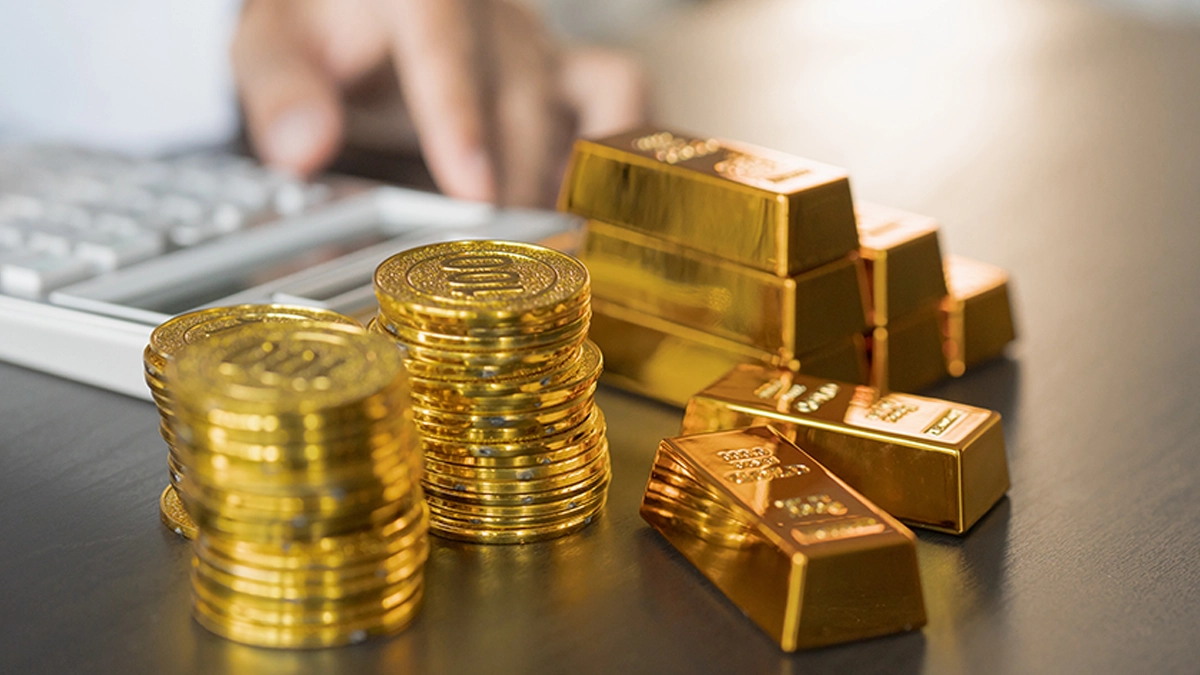
India's Top Cities and Regions with Competitive Gold Prices
Gold prices vary from day to day and are influenced by international gold prices, changes in the currency, and the level of demand in the country. The table below shows gold prices in various cities as of July 28, 2026.
|
City |
24K (per gram) |
22K (per gram) |
18K (per gram) |
|
Mumbai |
₹14,417 |
₹13,215 |
₹10,813 |
|
Delhi |
₹14,432 |
₹13,230 |
₹10,828 |
|
Kolkata |
₹14,417 |
₹13,215 |
₹10,813 |
|
Bangalore |
₹14,417 |
₹13,215 |
₹10,813 |
|
Hyderabad |
₹14,417 |
₹13,215 |
₹10,813 |
|
Kerala |
₹14,417 |
₹13,215 |
₹10,813 |
|
Pune |
₹14,417 |
₹13,215 |
₹10,813 |
|
Ahmedabad |
₹14,422 |
₹13,220 |
₹10,818 |
|
Vadodara |
₹14,422 |
₹13,220 |
₹10,818 |
|
Chennai |
₹14,416 |
₹13,215 |
₹11,030 |
Note: Prices are as of July 28, 2026 and exclude GST, TCS, and making charges.
The difference in prices between cities is generally insignificant when gold prices are compared on a per-gram basis, but the price gap becomes more noticeable the higher the quantity bought, especially in the case of purchasing bridal jewellery.
Cities with the Most Competitive Gold Prices (July 2026)
- Chennai - ₹14,416 per gram (24K)
- Mumbai - ₹14,417 per gram (24K)
- Kolkata - ₹14,417 per gram (24K)
- Hyderabad - ₹14,417 per gram (24K)
- Bangalore - ₹14,417 per gram (24K)
- Pune - ₹14,417 per gram (24K)
Why Are Gold Prices Slightly Lower in Some Cities?
Several local factors can influence retail gold prices across cities:
Strong Regional Demand
South India has long been one of the country's biggest regions for gold consumption because of its strong cultural links to weddings, festivals, and the practice of giving gifts. As the World Gold Council states, purchases made for weddings still make up a major part of India's demand for jewellery.
The continuous demand supports wide-ranging jewellery networks and efficient distribution channels.
Access to Major Import Hubs
Cities and states that are situated close to major ports might enjoy a slight reduction in logistics and handling costs. Yet transportation expenses make up only a small part of the final gold price, since international bullion prices, import duties, and currency fluctuations have a far greater effect on the daily gold rate.
Competitive Jewellery Markets
Large jewellery centres such as Mumbai, Hyderabad, Chennai, and Kolkata have highly competitive retail markets. The competition in these markets usually leads to lower making charges and reduced retailer margins, rather than causing the basic gold rate to drop considerably. Buyers can therefore find some savings on the total price of the jewellery they purchase.
Why Do Gold Prices Vary Across Indian Cities?
Even though gold is a commodity that is traded all over the world, there can be differences in pricing at the local level because of a number of factors.
Import Duties, GST and IBJA Base Rates
The India Bullion and Jewellers Association (IBJA) issues benchmark gold prices which are extensively used in the bullion sector. These prices are calculated on the basis of international gold prices, changes in currency rates, and current market conditions. Moreover, a GST at the rate of 3% is applied uniformly in all Indian states and Union Territories.
Local Jeweller Margins and Making Charges
The price of retail jewellery consists of the base gold value, the jewellery making charges, wastage charges (where applicable), and GST; the making charges can vary greatly from one jeweller to another and usually have a bigger effect on the final price than the small differences in the daily gold rates between cities.
Transport and Logistics Costs
Transport and insurance costs are included in the distribution of gold. However, differences caused by logistics are generally minor compared to those driven by changes in the global bullion markets and exchange rates.
Regional Demand and Buying Patterns
Demand varies from one region to another on an annual basis, with wedding seasons, Akshaya Tritiya, Dhanteras, and the main festivals. This causes demand to rise and, as a result, affects local retail pricing strategies.
International Gold Prices & Currency Movements
International spot prices are the primary driver of gold prices in India. Since gold is traded globally in US dollars, fluctuations in the USD-INR exchange rate directly affect domestic gold rates.
India's Gold Demand Continues to Grow
According to the World Gold Council's Gold Demand Trends: India Focus Q1 2026 report:
- In the first quarter of 2026, India's total gold demand rose by 10 per cent to 151 tonnes.
- Investment demand increased by 54% on a year-on-year basis to 82 tonnes.
- The demand for jewellery was 66 tonnes in that quarter.
- The demand for gold rose nearly double in terms of value, increasing by 99% year on year to about ₹2.27 lakh crore.
These statistics show that gold still holds great significance in India as both a cultural asset and an instrument of investment.
To Conclude
Chennai, Mumbai, Hyderabad, Kolkata, Bangalore, Pune, and Kerala often record among the most competitive gold prices in India, but the variations between the cities are generally small and can alter from day to day depending on market conditions.
Before purchasing gold jewellery, it is advisable to compare current gold rates, making charges, hallmarking standards, and jeweller reputation. For large purchases such as bridal jewellery, even small variations in gold rates and making charges can result in meaningful savings.
Need funds against your existing jewellery? Apply for a Gold Loan from Poonawalla Fincorp and unlock the value of your gold.
Disclaimer: Gold prices change frequently based on market conditions. Rates mentioned above are indicative and may vary by jeweller, location, purity, making charges, and applicable taxes.
FAQs
Which city has the lowest gold rate in India today?
The daily figure for the city with the lowest gold price may change. For the rates compared on July 28, 2026, Chennai had the lowest 24K gold price at ₹14,416 per gram, with Mumbai, Kolkata, Hyderabad, Bangalore, Pune, and Kerala coming very close behind.
Why do gold prices differ across Indian cities?
The logistics costs, jeweller profits, and local demand are just some of the factors which affect gold pricing in different cities in India.
Does GST differ across states for gold purchases?
No, all Indian states and Union Territories impose the same 3% GST on purchases of gold.
Who publishes benchmark gold rates in India?
The India Bullion and Jewellers Association (IBJA) publishes benchmark gold rates used across the bullion industry.
Are city-wise gold price differences significant?
Generally, no. For small purchases, the differences are often insignificant, but they may become more apparent when buying larger quantities or bridal jewellery.
Can making charges affect the final gold purchase cost?
Yes. Making charges often contribute more to the final jewellery bill than the small differences in gold rates observed between cities.
We take utmost care to provide information based on internal data and reliable sources. However, this article and associated web pages provide generic information for reference purposes only. Readers must make an informed decision by reviewing the products offered and the terms and conditions. Loan disbursal is at the sole discretion of Poonawalla Fincorp.
*Terms and Conditions apply