Leasing a car means paying monthly rent to use a vehicle you don’t own, while buying a used car with a loan gives you full ownership after repayment. The choice depends on your budget, driving habits, and whether you prefer flexibility or long-term asset ownership. This blog compares their key differences and helps you decide which option suits your financial situation and lifestyle needs.
Advantages and Disadvantages of Leasing a Car
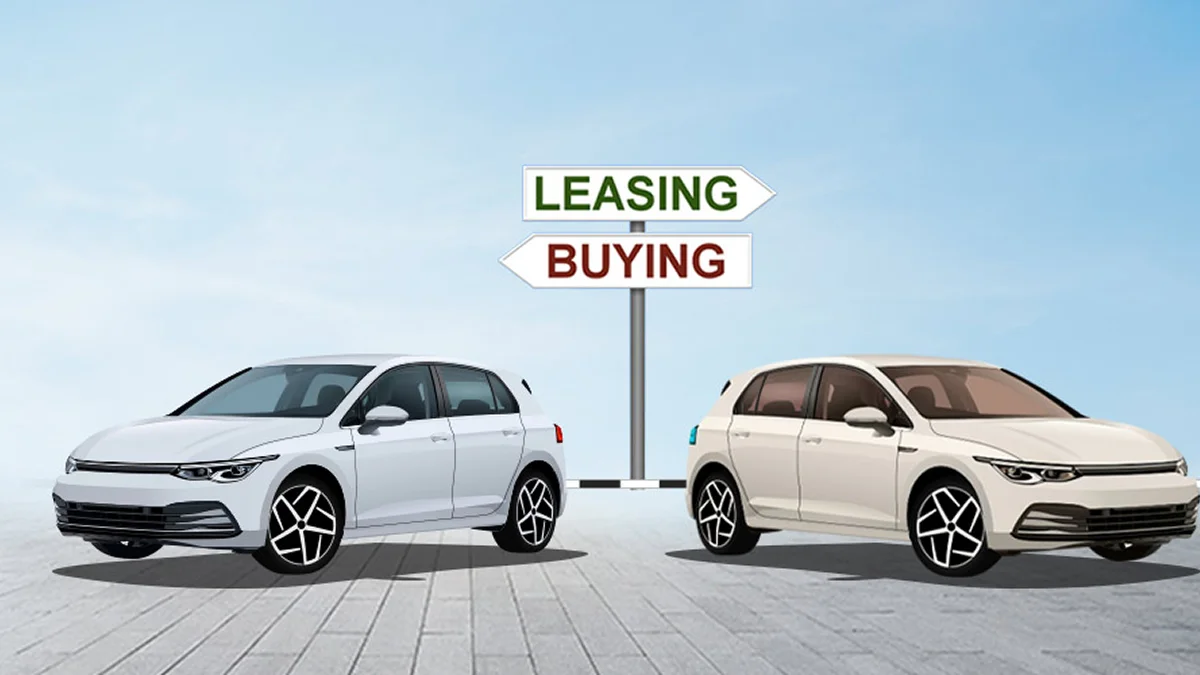
Here are the key benefits and limitations of leasing a car:
Advantages:
- Lower initial outgo with little or no down payment compared to taking a car loan for a comparable car.
- Lower monthly lease payments than EMIs on a comparable new car, because payments are based on the car’s depreciation during the lease, not its full price.
- Example: If a car costs Rs. 10 Lakh today and is expected to be worth Rs. 6 Lakh at the end of the lease, your payments are largely based on the Rs. 4 Lakh reduction in value over the lease period.
- Access to a newer model or brand-new vehicle every few years. You enjoy that new car smell, updated features and, in many cases, a factory warranty during most of the lease term.
- Predictable ownership cost because most leases include normal wear and basic maintenance costs, and sometimes insurance or roadside assistance, reducing surprise repair costs.
- Potential tax benefits for self-employed individuals or businesses, as lease payments can often be claimed as deductible business expenses.
Disadvantages:
- No ownership at the end of the lease period unless you choose to buy the car at lease end, so you’re not building equity or an asset.
- Mileage limits or mileage restrictions apply (for example, fixed kilometres per year); crossing the limit can lead to extra cost in the form of penalties.
- Limited freedom to modify the leased car; you usually need the leasing company’s consent to add accessories, and you must return the same vehicle in acceptable condition.
- Early termination can be costly due to exit or cancellation charges.
Advantages and Disadvantages of Buying a Used Car
Before you decide, here are the primary upsides and downsides of buying a used car:
Advantages
- Full ownership after loan repayment, allowing you to use the vehicle outright without further EMIs or monthly payments.
- No mileage limits, so you can drive as many kilometres as you need.
- Freedom to modify pre-owned vehicles as per your taste, in line with legal regulations, whether it is music system, seat covers, or other accessories.
- Lower purchase price than a brand new car, and keeping the car for longer usually reduces the overall cost compared to repeatedly leasing the same vehicle.
- Option to sell or trade in your car after you have used it. Funds from the sale can go towards upgrading to your next vehicle.
Disadvantages
- Higher upfront commitment, often including a larger down payment, and EMIs that may be higher than lease payments on a similar car.
- Maintenance costs and repair costs are your responsibility, and can rise as the car ages, especially after the factory warranty expires.
- As the car’s depreciation can be steep for some brands, if you sell within a few years, the resale value may be much lower than expected.
- More processes, such as RC transfer, insurance transfer, hypothecation marking and later hypothecation removal when the loan closes.
Also Read: Factors to consider while taking a Pre-Owned Car Loan
Leasing vs Buying Used Car on Loan
This table gives you a quick overview of the key differences between leasing a car and buying a used car on loan:
|
Features |
Leasing a Car |
Buying Used Car on Loan |
|
Mileage Limit |
The leasing company specifies the mileage, and extra consumption is chargeable. |
No mileage limit for purchased cars. |
|
Tax Benefits |
A tax benefit of up to 30% for self-employed individuals or businesses. |
No tax benefits present. |
|
Down Payments |
No down payments are needed. |
Down payments are needed. |
|
EMIs |
You just have to pay the rent. |
Vehicle cost is repaid through EMIs spread over different tenures. |
|
Ownership |
You do not own the car. If the lessor permits, you can pay a specified amount to transfer ownership to you. |
Don’t need to pay any extra amount to gain ownership. |
|
Adding Car Accessories |
Cannot add any accessory without the consent of your leasing company. |
Can add accessories due to ownership rights. |
|
Returning |
The car must be returned before your lease tenure’s due date. |
Gain complete ownership of the car after your loan period. |
Leasing vs Buying a Used Car: Which Should You Choose?
Leasing works well for those who want lower upfront costs, predictable monthly outgo, moderate usage, regular upgrades, and business tax benefits. Buying a used car suits those who value ownership, higher usage, flexibility to modify, and lower long-term ownership cost.
Also Read: Loan For Used Cars: Here's How You Can Get it Easily
To Conclude
Buying a used car or leasing a car depends on your specific needs and budget. While leasing a car has its benefits, buying a second-hand car with a Pre-owned Car Loan is an affordable solution that gives you the freedom to use it as long as you want. With Poonawalla Fincorp, you can get a used car loan with minimal documentation, simple eligibility criteria, and quick approval.
FAQs
Is leasing cheaper than buying a used car?
Leasing usually has lower upfront costs and lower monthly payments because you are paying only for using the car and not for owning it. Though over the years, the lack of ownership can make it costlier.
When is buying a used car better than leasing?
Buy when you drive many kilometres, want to avoid mileage limits, prefer to modify the car, or plan to sell the vehicle later to recover part of your cost through resale value.
What happens at the end of the lease period?
At the end of the lease, you return the vehicle and settle any charges for excess kilometres or damage. Depending on the contract, you can either take a new lease or buy the car by paying the residual value.
We take utmost care to provide information based on internal data and reliable sources. However, this article and associated web pages provide generic information for reference purposes only. Readers must make an informed decision by reviewing the products offered and the terms and conditions. Loan disbursal is at the sole discretion of Poonawalla Fincorp.
*Terms and Conditions apply